Clean Water Starts with Knowing What’s Beneath the Surface
For many families living in rural areas, a private well is more than just a water source—it’s part of everyday life. It provides drinking water, supports cooking, fills livestock tanks, irrigates gardens, and keeps households running without relying on a municipal supply. There’s something satisfying about that independence.
Still, owning a well comes with responsibility. Unlike city water, which is routinely monitored by local utilities, private wells are generally the homeowner’s responsibility. That means understanding potential water quality issues, testing regularly, and responding before small concerns become larger ones.
The good news is that most well water problems can be managed successfully once you know what you’re dealing with. The first step is simply paying attention to your water and giving it the care it deserves.
Not Every Problem Is Easy to Spot
One of the biggest myths about well water is that if it looks clear, it must be perfectly safe. Unfortunately, appearances don’t always tell the whole story.
Some contaminants change the taste, smell, or color of water immediately. Others remain completely invisible while still affecting water quality. That’s why routine water testing matters so much. It provides answers based on science instead of assumptions.
Testing once after moving into a home isn’t enough. Water conditions naturally change over time due to weather, groundwater movement, nearby development, and seasonal environmental changes. Making testing part of a regular routine offers peace of mind and helps catch problems early.
Iron Can Be More Than Just a Cosmetic Issue
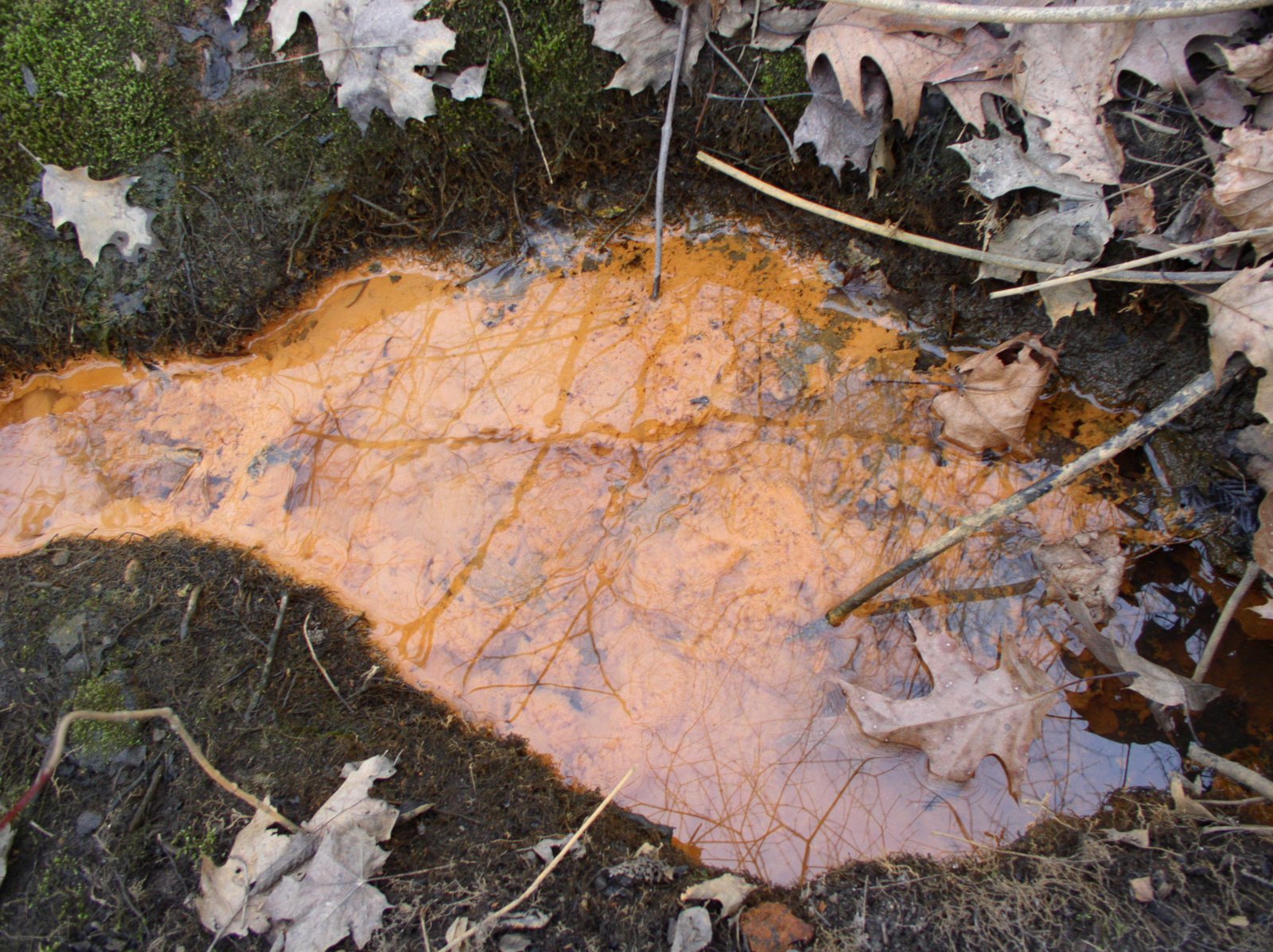
Many well owners eventually notice reddish stains around sinks, toilets, or bathtubs. Laundry may develop orange discoloration, and plumbing fixtures often become harder to keep clean.
These are classic signs of high iron water.
Although iron isn’t usually considered a serious health concern at common household levels, excessive amounts can create plenty of frustration. It leaves stubborn stains, affects water taste, clogs plumbing over time, and may interfere with the performance of water softeners and filtration systems.
Fortunately, iron removal systems are widely available and can be customized based on the concentration and form of iron found in your water. Proper testing helps determine the most effective treatment approach instead of relying on trial and error.
Microorganisms Deserve Serious Attention
Unlike minerals that mainly affect appearance or plumbing, biological contamination requires a different level of concern.
The presence of bacteria in water may not always produce obvious warning signs. Water can appear perfectly clear while still containing microorganisms that pose health risks.
Private wells become vulnerable when surface water enters through damaged well caps, flooding, aging construction, or nearby contamination sources. That’s why many experts recommend routine bacterial testing, especially after heavy rainfall, well repairs, or flooding events.
If bacteria are detected, treatment options may include well disinfection, ultraviolet purification systems, or other specialized filtration methods depending on the specific situation.
Ignoring microbial contamination simply isn’t worth the risk when effective solutions already exist.
Water Quality Can Reflect What Happens Nearby
Groundwater doesn’t exist in isolation.
Everything happening above the surface has the potential to influence what eventually reaches underground aquifers. Agriculture, landscaping, construction, and changing land use all interact with local water supplies over time.
In some regions, pesticide runoff becomes a concern following heavy rainfall or improper chemical application. While modern farming practices often include safeguards, groundwater should still be monitored regularly where agricultural activity is common.
The important thing to remember is that contamination isn’t inevitable. Regular testing allows homeowners to understand whether these concerns are actually affecting their individual well instead of assuming the worst.
Knowledge leads to better decisions.
Water Changes Throughout the Year
Many homeowners are surprised to learn their water doesn’t remain identical from season to season.
Periods of heavy rain can introduce additional sediment. Dry weather may alter mineral concentrations. Snowmelt, groundwater movement, and seasonal farming activities all influence local water conditions in different ways.
These natural variations explain why a system installed years ago occasionally benefits from adjustments or updated maintenance.
Water treatment isn’t really a “set it and forget it” process.
Instead, it’s an ongoing relationship between your water source and the equipment designed to improve it.
Small Warning Signs Shouldn’t Be Ignored
Water quality problems often begin quietly.
Perhaps coffee suddenly tastes different.
Soap no longer lathers as easily.
Mineral spots appear on dishes.
Water pressure slowly decreases.
A faint odor develops that wasn’t there before.
None of these changes automatically indicate a serious issue, but together they suggest it’s time to investigate rather than simply hoping the problem disappears on its own.
Early attention usually leads to simpler, more affordable solutions.
Waiting rarely improves the situation.
Choosing the Right Treatment Makes All the Difference
Not every water issue requires the same solution.
Iron removal systems won’t solve bacterial contamination. Water softeners aren’t designed to eliminate every dissolved contaminant. Carbon filters improve taste and odor but aren’t appropriate for every water quality concern.
That’s why accurate testing comes first.
Once laboratory results identify what’s actually present in the water, treatment recommendations become much more precise. Some homes benefit from a single filtration system, while others require a combination of sediment filtration, softening, ultraviolet disinfection, reverse osmosis, or specialty filters.
The goal isn’t to install the most equipment possible.
It’s to install the right equipment.
Prevention Is Easier Than Emergency Repairs
Maintaining good well water isn’t complicated, but it does require consistency.
Inspect the wellhead periodically.
Schedule water testing regularly.
Replace filters according to manufacturer recommendations.
Pay attention to changes in taste, smell, or appearance.
Arrange professional inspections when something feels unusual.
These simple habits often prevent expensive repairs while protecting both water quality and the equipment connected to your plumbing system.
It’s a surprisingly small investment considering how important clean water is to everyday life.
Safe Water Begins with Staying Informed
Owning a private well offers freedom and independence, but it also places water quality in your hands. Fortunately, that’s not something to fear. With regular testing, proper maintenance, and treatment systems tailored to your specific water conditions, most common well water issues can be managed effectively for years to come.
The key isn’t assuming your water is perfect or expecting problems around every corner. It’s staying informed, responding thoughtfully to changes, and recognizing that every well has its own unique characteristics.
When you understand your water source and care for it consistently, you create something valuable that benefits your entire household every single day—clean, dependable water you can trust from the first glass in the morning to the last chore before sunset.