Water is one of those things most of us barely think about until something seems off. Maybe the tap water tastes different. Perhaps there’s a faint smell after filling a glass, or mineral residue starts appearing around faucets and shower fixtures. Small changes can make you wonder what’s happening beneath the surface.
Choosing a water treatment system, though, doesn’t have to become a complicated research project. The right solution usually starts with a basic question: what is actually in the water, and what do you want the treatment system to accomplish?
Once that is clear, everything else becomes easier to understand — from filtration technology and maintenance to energy requirements and product certifications.
When Simplicity Has Real Value
Not every water treatment system needs a complicated control panel or a constant electrical connection. In certain situations, homeowners may prefer equipment designed for straightforward operation and minimal dependence on household power.
A treatment method where no electricity needed is an important consideration for properties where power availability is inconsistent or where homeowners simply want fewer electrical components. Depending on the technology, some systems can operate through water pressure or mechanical processes rather than relying on electronic controls.
That doesn’t mean an electricity-free system is automatically the right choice. It still needs to be correctly sized and matched to the water conditions. Water pressure, flow requirements, treatment capacity, and maintenance all deserve attention before installation.
Still, there is something reassuring about equipment that can perform its basic function without adding another electrical device to the house.
Start With Water Testing
Before purchasing treatment equipment, testing the water is one of the most useful steps you can take.
Water can contain a variety of substances, and different treatment methods are designed for different problems. Hardness, iron, manganese, chlorine, sediment, dissolved solids, and microorganisms can each require a different approach.
Municipal water is generally treated before it reaches a property, but that doesn’t mean every household has identical water quality at the tap. Plumbing age, storage tanks, local conditions, and other factors can influence what you experience.
Private wells deserve particular attention because their chemistry can vary considerably. Testing provides information instead of guesswork.
It can be tempting to buy a system because a friend or neighbor recommends it. Their experience may be useful, but your water may not have the same characteristics. A good treatment decision begins with your own results.
Why Certifications Deserve Attention
When comparing water treatment products, technical specifications can become confusing quickly. Flow rates, filter capacities, membrane types, media volumes — there’s a lot to read.
Certifications offer another way to evaluate equipment. Independent standards and certifications can indicate that a product has been evaluated against particular requirements. They don’t mean a product solves every possible water-quality problem, but they can provide useful information about performance claims and intended applications.
Looking for products with strong certifications can therefore be part of a sensible buying process. Just remember to check what the certification actually covers. A certification for one type of contaminant reduction doesn’t automatically mean the system is certified for everything else.
It’s a small distinction, but an important one.
Taste Is Part of the Experience
Water quality isn’t only about laboratory numbers. How water tastes and smells can strongly influence whether people actually enjoy drinking it.
Chlorine, certain minerals, sulfur compounds, and other substances can affect taste and odor. Even when water meets applicable safety requirements, an unpleasant flavor may lead people to reach for bottled drinks instead.
Appropriate filtration can sometimes make a noticeable difference. Activated carbon, for example, is commonly used to reduce chlorine and improve taste and odor. Other treatment technologies can address different water-quality concerns.
For many households, better taste is one of the first improvements they notice after installing an appropriate filtration system. It might seem like a small benefit, but it can change everyday habits. Cold water from the refrigerator suddenly becomes more appealing. Coffee may taste different. You may stop buying quite so many bottled drinks.
Of course, taste is subjective, and filtration should always be selected according to the actual water issue rather than taste alone.
Don’t Ignore Water Pressure
A filtration system can provide excellent treatment and still be frustrating if it reduces water flow more than expected.
Every filter and treatment stage introduces some resistance. As a filter becomes loaded with sediment, that resistance can increase. That’s why proper sizing is so important.
Consider the household’s peak demand. How many people live there? How many bathrooms are used simultaneously? Is the system treating the whole house or only drinking water? These practical questions can make a significant difference.
A system that works beautifully for one person may not be appropriate for a busy family with multiple showers running during the morning rush.
Maintenance Keeps Good Equipment Working
Even the best treatment system isn’t completely hands-off.
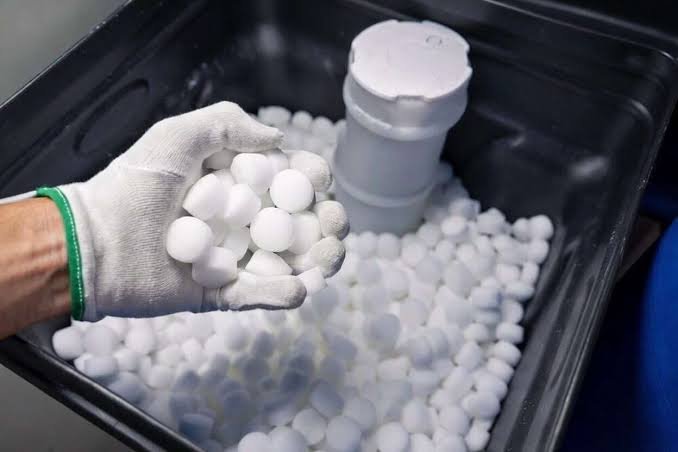
Filters need replacement. Some systems require periodic cleaning, sanitization, media replacement, or inspection. Reverse osmosis systems may require membrane maintenance, while water softeners need attention to their regeneration process and salt supply.
The good news is that maintenance doesn’t have to be difficult. Keep track of replacement dates and watch for changes in water taste, odor, pressure, or appearance.
If water suddenly tastes different, don’t simply assume the system has stopped working. Check the filter age, plumbing conditions, and other possible causes. Sometimes the solution is surprisingly simple.
Choosing Based on Your Home
There is no universal water treatment system that makes sense for every property.
A homeowner with hard water may benefit from softening. Someone concerned primarily about drinking water may prefer point-of-use filtration. A property with sediment problems may need dedicated pre-filtration, while certain contaminant concerns could require more specialized treatment.
Budget matters, naturally. But consider the long-term cost too. Replacement cartridges, service visits, electricity or water consumption, installation, and expected equipment life all contribute to the actual cost of ownership.
A cheap system isn’t necessarily inexpensive if it requires frequent replacement or fails to address the original problem.
A Better Way to Think About Water Quality
The most useful approach to water treatment is surprisingly straightforward: understand first, choose second.
Test the water. Identify the contaminants or characteristics that actually need attention. Compare treatment technologies based on those findings. Check certifications and manufacturer specifications. Think about water pressure, maintenance, installation, and long-term operating costs.
And don’t overlook the everyday experience. Water should be safe, but it should also be pleasant to use. If the treatment system improves taste, reduces nuisance deposits, protects plumbing, or simply makes household routines easier, those benefits matter.
Good water treatment doesn’t need to dominate your attention. Ideally, it works quietly in the background while you get on with the things that matter more — cooking dinner, filling a glass, taking a shower, or starting the coffee in the morning.
Sometimes the smartest solution isn’t the most complicated one. It’s the system that fits your water, your home, and your life without making things harder than they need to be.