Water treatment isn’t something most people want to think about every day. You want the tap to work, the shower to feel normal, and the water coming out of the kitchen faucet to taste clean. That’s about it.
Yet behind that simple experience is a surprising amount of chemistry and equipment.
Modern treatment systems have become more sophisticated because water problems aren’t always straightforward. One home may struggle with hardness and scale, another with iron or sediment, while a private well may have several characteristics that need to be addressed together.
The challenge is finding technology that handles those conditions without turning water treatment into another full-time household responsibility.
That’s where smarter equipment, better media, and automated monitoring can make a genuine difference.
Start With What the Water Actually Needs
It can be tempting to begin the search by looking at equipment.
That’s understandable. Product specifications are easy to compare. Tank sizes, controls, filtration stages, and performance claims are all right there.
But the better starting point is the water itself.
A water analysis can identify characteristics such as hardness, iron, manganese, pH, sediment, and other conditions depending on the testing performed. Once you know what you’re dealing with, it becomes much easier to determine which treatment technology makes sense.
Without that information, homeowners can end up paying for equipment that solves a problem they don’t actually have.
A little testing upfront can prevent a lot of frustration later.
Media Is the Heart of Many Treatment Systems
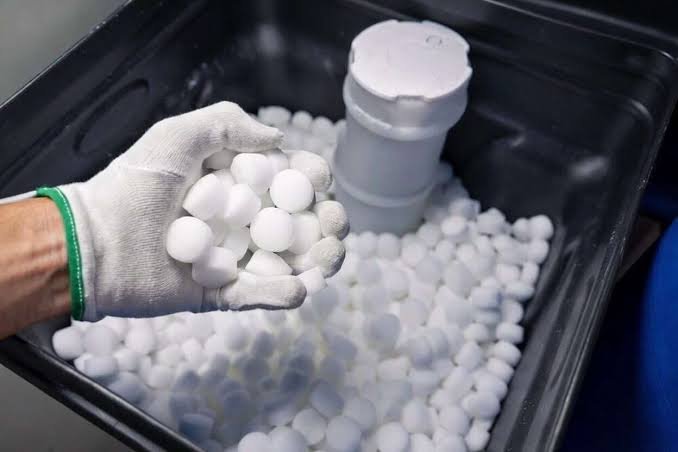
Inside many water treatment systems is a material called treatment media.
Its job depends on the type of system. Some media exchange hardness ions. Others help remove iron or manganese. Certain filtration media are designed to capture particles or promote chemical reactions that make contaminants easier to remove.
The performance of the entire system can therefore depend heavily on the media inside the tank.
Crystal-Right™ media is one example of specialized treatment media designed for particular water-quality applications. The important point for homeowners isn’t simply the brand name. It’s understanding whether the media is appropriate for the chemistry of the water being treated.
Different water conditions require different approaches.
A system that performs extremely well in one property may not be the right fit somewhere else.
Why Specialized Media Can Be Useful
Traditional treatment methods aren’t always ideal for every combination of water characteristics.
For example, a homeowner might be dealing with hardness along with iron or manganese. Treating each issue separately can sometimes mean more equipment, more space, and more maintenance.
Specialized media may provide an opportunity to combine certain treatment functions within a carefully designed system.
But again, testing matters.
Media selection should be based on actual water chemistry, flow requirements, and expected household demand. Installation should also account for the manufacturer’s operating requirements.
It’s not simply a matter of filling a tank and turning it on.
Self-Monitoring Can Reduce Guesswork
One of the more useful developments in modern water treatment is automation.
Older equipment often required homeowners to remember settings, watch operating schedules, or manually check whether something seemed unusual.
Modern systems can provide more information automatically.
Features such as self-monitoring can help track system conditions and alert users when attention may be required, depending on the equipment design.
That doesn’t mean homeowners can completely forget about maintenance. They shouldn’t.
Instead, monitoring can make maintenance more predictable.
An alert that tells you something needs attention is far more useful than discovering the problem because the water suddenly tastes strange or a familiar stain returns.
Automation Doesn’t Replace Good Maintenance
There is a common misconception that smart equipment is maintenance-free.
Unfortunately, water treatment hasn’t reached that magical point yet.
Media has a service life. Valves can wear. Filters need replacement. Components need inspection. Water chemistry can change.
Automation can make those tasks easier to manage, but it can’t eliminate them.
A homeowner should still know what routine maintenance involves and how often it is recommended.
Ask about replacement schedules before installation. Find out which parts are considered consumable. Understand what the system’s alerts mean.
A few minutes of preparation can save a surprising amount of trouble.
Cleaning the System Matters Too
Treatment equipment spends its life dealing with whatever is in the water.
Over time, deposits, sediment, and other materials can accumulate in places where they shouldn’t.
That’s why some modern systems incorporate deep cleaning technology or other processes designed to help maintain the treatment environment.
The exact cleaning method depends on the equipment and media involved.
The basic idea is simple, though: a treatment system needs to remain in good condition to perform consistently.
It’s similar to changing the filter in an air-conditioning system. The equipment can be excellent, but if the components aren’t maintained, performance eventually suffers.
Efficiency Is Part of Good Design
Efficiency isn’t just about electricity.
Water treatment can consume water during regeneration, backwashing, or cleaning cycles. It can also require salt, replacement media, filters, or other consumables.
A properly designed system should use those resources thoughtfully.
System capacity, household demand, water chemistry, and operating settings all influence efficiency.
An oversized system may use more resources than necessary. An undersized system may regenerate too frequently or struggle during periods of high demand.
Good sizing is therefore one of the simplest ways to improve long-term performance.
Pay Attention to Flow Rate
Homeowners sometimes focus heavily on treatment capacity while overlooking flow rate.
That can be a mistake.
A system might have enough total capacity to treat a home’s daily water usage but still create an uncomfortable restriction when several fixtures are operating at once.
Think about real life.
Someone is showering. The washing machine starts. Another person turns on the kitchen faucet.
Peak demand can arrive quickly.
A properly sized system should account for these situations rather than being designed only around average consumption.
Installation Is Just as Important as Equipment
Even excellent treatment technology can perform poorly if it is installed incorrectly.
Piping, bypass valves, drainage, electrical requirements, pressure, and system placement all matter.
There should also be enough space to service the equipment.
A treatment tank wedged tightly into a corner may technically fit, but replacing components later can become unnecessarily difficult.
Professional installation can help ensure the equipment is configured according to the water conditions and manufacturer’s requirements.
It also gives homeowners someone to contact when something doesn’t behave as expected.
Don’t Let Fancy Features Make the Decision for You
The water-treatment industry has no shortage of impressive terminology.
Smart controls. Advanced media. Automated cleaning. Monitoring systems. High-capacity designs.
All of these things can be useful. But the technology should serve the water problem, not the other way around.
Start with the basics.
What is in the water? What needs to be reduced? How much water does the household use? What maintenance is realistic? What is the long-term operating cost?
Then evaluate the equipment.
That’s a much better way to choose than simply buying the system with the longest list of features.
Better Treatment Should Feel Almost Invisible
The best water treatment system doesn’t demand constant attention.
It quietly operates in the background. It responds when needed, maintains the water quality you expect, and lets you get on with the rest of your day.
That kind of convenience comes from several things working together: appropriate treatment media, correct sizing, thoughtful installation, sensible controls, and regular maintenance.
Modern technology can make all of that easier, but good fundamentals still matter.
In the end, water treatment isn’t really about having the most advanced equipment in the utility room. It’s about having equipment that fits your water, your home, and your routine.
When those pieces line up, the result is refreshingly simple.
You turn on the tap, fill a glass, take a shower, and don’t have to think twice about what’s happening behind the walls.
And honestly, for something as important as water, that’s exactly how it should feel.