A strange smell coming from the bathroom drain, water pooling around a floor drain, or a toilet that suddenly refuses to flush properly can turn an ordinary day into a frustrating one. It’s easy to assume these are minor plumbing annoyances, especially when the problem disappears for a while. But sometimes, they’re early warnings of a more serious sewer issue.
Your home’s sewer system carries wastewater away from sinks, showers, toilets, and appliances. When everything works properly, you barely notice it exists. When something goes wrong, however, the effects can spread quickly, creating unpleasant odours, sanitation concerns, and damage to floors or walls.
The good news is that many problems become easier to manage when they’re recognised early. Understanding the warning signs, knowing which maintenance habits help, and calling a qualified plumber when necessary can protect your home from unnecessary disruption.
Why Regular Drain Maintenance Matters
Everyday household activities put a surprising amount of material into your plumbing system. Kitchen sinks receive food particles, soap residue, and traces of cooking grease. Bathroom drains collect hair and personal-care products, while toilets can become blocked by items that were never meant to be flushed.
Over time, this material can accumulate inside pipes and restrict wastewater flow. A slow drain might seem harmless at first, but recurring blockages can indicate a buildup that needs more attention.
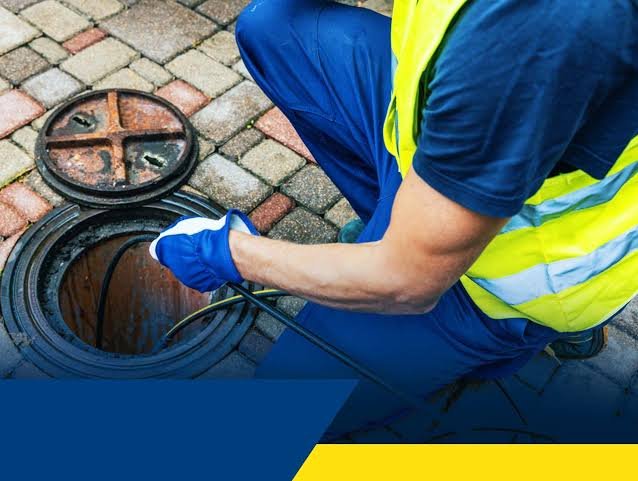
Routine drain cleaning can help remove accumulated debris and reduce the likelihood of stubborn obstructions. Depending on the situation, a plumber may use a mechanical drain snake, specialised cleaning equipment, or another method suited to the pipe’s condition.
Homeowners can help by keeping food scraps and cooking grease out of kitchen drains, using hair catchers in showers, and flushing only toilet paper and human waste. Products labelled flushable can still contribute to blockages, particularly in older or shared sewer systems.
If a drain repeatedly slows down after being cleared, don’t assume the problem is simply bad luck. The blockage may be farther down the line, or a structural defect could be allowing debris to collect in the same place.
What That Unpleasant Sewer Smell Might Mean
Few household problems are as off-putting as an unexplained drain odour. You clean the bathroom, empty the bins, and wipe down the sink, yet the smell keeps returning. Sometimes the cause is fairly simple; other times, it deserves a closer look.
A dry drain trap is one possible explanation. The curved section of pipe beneath many fixtures holds water that helps prevent sewer gases from entering the home. If a rarely used drain dries out, that protective water seal can disappear. Running water into the fixture may restore it, provided the plumbing is otherwise functioning correctly.
Odours can also develop when organic material accumulates inside drains. A blocked vent pipe, damaged plumbing connection, or faulty drain trap may allow unpleasant gases to enter indoor spaces.
Persistent sewer odor should not be dismissed, particularly if it appears alongside gurgling drains, slow wastewater flow, or repeated toilet problems. Sewer gases can contain harmful substances, and strong or sudden odours may indicate a safety concern.
If you notice a strong sewage or rotten-egg smell indoors, ventilate the area if you can do so safely, avoid flames or sparks, and leave the area if the smell is intense or you feel unwell. Contact an appropriate plumbing or emergency professional rather than trying to locate the source yourself.
The important thing is to identify the cause instead of covering the smell with air fresheners. A cleaner scent doesn’t solve a plumbing fault.
Recognising the Warning Signs of a Sewer Backup
A sewer problem can sometimes affect several fixtures at once. For example, flushing a toilet may cause water to rise in a nearby shower, or wastewater may bubble up through a floor drain when a washing machine empties.
These symptoms can indicate a restriction in a shared drainage line or the main sewer connection. They don’t prove that the public sewer is responsible, since a blockage within the property can produce similar effects.
A sewer backup is particularly concerning because contaminated wastewater may enter living spaces. Besides damaging flooring, furniture, and personal belongings, sewage can expose household members to harmful microorganisms.
If wastewater begins backing up, stop using toilets, sinks, showers, and appliances that discharge into the affected system. Keep children and pets away from contaminated areas, and avoid touching the water without appropriate protective equipment.
Don’t attempt to wash sewage into another drain or use household chemicals to force the blockage through. These actions can increase exposure or make the situation harder to manage.
Contact a qualified plumber promptly. If the problem appears to involve a public sewer main, your local wastewater utility may also need to investigate. Acting early can help limit damage and clarify who is responsible for the affected section of the system.
How Professionals Find Hidden Sewer Problems
Not every sewer issue is visible from inside the house. Underground pipes may run beneath lawns, driveways, patios, or foundations, making it difficult to determine what’s happening without specialised equipment.
A sewer camera inspection allows a plumber to examine the inside of an accessible drainage line. The camera may reveal accumulated debris, tree-root intrusion, cracked pipes, displaced joints, or other visible damage.
This information helps the plumber distinguish between a blockage that needs cleaning and a pipe that requires repair. Without an inspection, repeatedly clearing a drain may provide only temporary relief if the underlying cause remains.
Camera inspections can be especially useful in older homes, properties with mature trees, and buildings with a history of recurring backups. However, visibility may be limited by standing water, heavy debris, or inaccessible pipe sections, so the findings need to be interpreted carefully.
Ask the plumber to explain what the footage shows and whether the proposed repair addresses the underlying problem. A clear explanation can help you make an informed decision rather than paying for work you don’t fully understand.
Practical Ways to Reduce Future Problems
Preventing every sewer issue isn’t possible, but a few sensible habits can reduce avoidable blockages.
Keep grease, oil, and food scraps out of kitchen drains. Install drain strainers where appropriate, clean them regularly, and avoid flushing wipes, cotton products, or sanitary items down toilets.
If large trees grow near underground sewer lines, ask a plumbing professional whether the pipe material and local conditions make periodic inspections worthwhile. Tree roots can enter existing cracks or loose joints, especially when moisture is present.
Pay attention to changes in water flow, unusual gurgling, and odours that return after cleaning. Keeping a record of recurring symptoms and previous repairs can also help a plumber identify patterns.
Properties with older pipework may benefit from a professional assessment, particularly when several fixtures have experienced problems over time. Maintenance needs vary, so there’s no universal schedule that fits every home.
When to Call a Plumber Instead of Waiting
A single slow sink may be manageable, but multiple blocked fixtures, sewage entering the home, or persistent odours deserve prompt attention. Repeatedly using temporary fixes can delay the diagnosis of a more serious fault.
When contacting a plumber, describe the affected fixtures, when the problem started, and whether it happens during particular activities, such as flushing or running the washing machine. Mention any cleaning products you’ve already used.
Ask about the likely cause, available repair options, and estimated costs. If excavation or pipe replacement is recommended, find out whether an inspection has confirmed the damaged section and whether less disruptive alternatives are appropriate.
A reliable professional should explain the reasoning behind the proposed work and help you understand what happens next.
A Healthier Sewer System Starts With Early Action
Sewer problems are unpleasant, but ignoring them rarely makes them disappear. A little preventive care, attention to unusual symptoms, and timely professional advice can help protect your home from bigger repairs.
Watch for recurring blockages, investigate persistent odours, and treat wastewater backups as a serious sanitation issue. Most importantly, choose solutions based on the actual cause rather than relying on repeated temporary fixes.
Your sewer system may be hidden beneath floors and gardens, but its condition affects the comfort and safety of everyday life. Taking care of it before trouble escalates is one of those practical home maintenance decisions that can save a great deal of stress later.