A water softener isn’t exactly the most exciting thing in a home. It sits quietly in a basement, garage, or utility space, doing its job while everyone gets on with their day. But when the water starts leaving spots on dishes, soap feels different, or mineral buildup returns around the faucets, you suddenly remember that little machine is there.
Like most household equipment, a softener works best when it gets some attention along the way. That doesn’t mean constant maintenance or complicated routines. Often, it’s about staying ahead of small issues, keeping the system properly supplied, and knowing when an upgrade or professional inspection makes sense.
Why Salt Management Matters
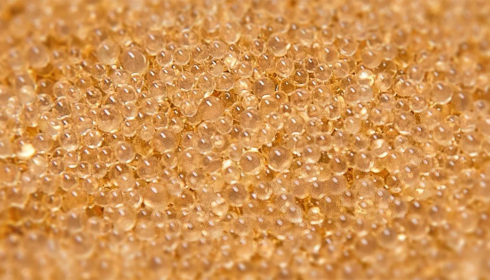
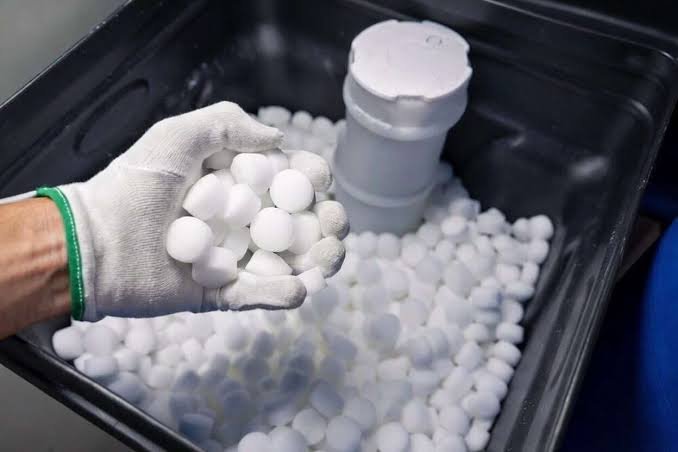
For traditional salt-based softeners, salt isn’t something you can simply forget about. The system relies on it during the regeneration process, which helps restore the resin that removes hardness minerals from the water.
Running low on salt can eventually affect how well the system performs. That’s where Salt delivery and replenishment services can be useful, especially for busy homeowners, older residents, landlords, or anyone who simply doesn’t want another item on the weekly household checklist.
Instead of waiting until the tank is nearly empty, scheduled delivery can keep a consistent supply available. It’s a small convenience, but sometimes those are the things that make the biggest difference.
Know How Your Softener Is Performing
A water softener doesn’t always fail suddenly. Performance can decline gradually.
Maybe you notice more scale around the showerhead. Perhaps your laundry feels different, or the water doesn’t seem as soft as it used to. In other cases, the system may be using noticeably more salt than before.
These changes deserve attention.
Before assuming the entire unit has failed, have the system checked. The problem could be a setting, a clogged component, a valve issue, or another relatively simple fault.
Understanding what has changed is much better than guessing.
When an Upgrade Makes Sense
Water treatment technology continues to improve, and older equipment may not have the same efficiency or convenience as newer systems.
For homeowners considering Water softener system upgrades, the decision shouldn’t be based solely on having the newest equipment. Think about how old your current system is, how often it requires service, how much salt it uses, and whether it still matches your household’s water demand.
A growing family, home renovation, or change in water usage can also be a good reason to reconsider system capacity.
Sometimes an upgrade isn’t about fixing something that’s broken. It’s simply about making sure the equipment still makes sense for the way your home operates today.
Don’t Assume Hardness Is the Only Problem
It’s easy to blame every water issue on hard water. After all, mineral spots and scale are common complaints.
But water quality is more complicated than that.
Taste, odor, pH, sediment, iron, and other characteristics can affect the water coming into your home. A softener is designed primarily to address hardness; it isn’t a universal filtration system.
That’s why professional Water testing and consultation can be valuable. Testing provides information about the water itself, while a consultation can help connect those results to practical treatment options.
You may discover that your softener is working perfectly and another type of filtration is needed for a completely different concern.
The Value of Regular Maintenance
Most homeowners don’t want to think about maintenance until something stops working. Unfortunately, that’s often when repairs become more expensive.
Routine inspections can help identify worn components, leaks, incorrect settings, or other problems before they turn into major failures.
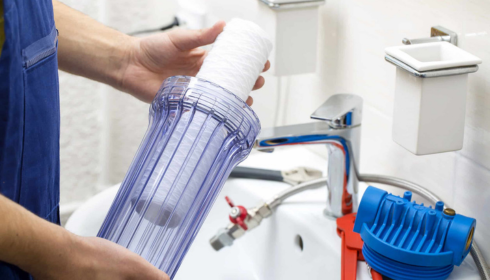
Maintenance may involve checking the control valve, examining connections, reviewing regeneration settings, and assessing overall system performance.
If your system has manufacturer-specific maintenance requirements, follow them. Keeping a simple record of service dates can also help you remember when the equipment was last inspected.
It doesn’t have to become a big project.
Pay Attention to Salt Usage
Salt consumption can tell you something about the system.
If your softener suddenly begins using much more salt than usual, don’t just keep filling the tank and hope for the best. A change in salt consumption could be related to settings, water usage, hardness levels, or mechanical problems.
On the other hand, extremely low salt usage isn’t automatically a good thing either. The system needs to regenerate appropriately to continue treating hard water.
The ideal amount depends on the equipment and household conditions. That’s another reason proper configuration matters.
Household Changes Can Affect Treatment Needs
Your water treatment needs aren’t necessarily permanent.
Maybe your family has grown. Perhaps someone moved out. You added a bathroom, installed a large soaking tub, or started working from home. All these changes can influence water consumption.
A softener that was properly sized several years ago may no longer be the best fit.
Instead of waiting for performance problems to appear, consider having the system evaluated when there is a significant change in household water use.
It’s a little like updating your internet plan after adding several new devices. What worked before may still work—but it’s worth checking.
What Homeowners Should Watch For
A few signs deserve attention:
- Mineral deposits returning to fixtures
- Changes in water taste or feel
- Unusual noises from the system
- Leaks around fittings or tanks
- Sudden changes in salt consumption
- Water that no longer seems properly softened
- Frequent regeneration or unusual cycling
None of these signs automatically means replacement is necessary.
Sometimes the solution is a simple adjustment or repair. The important thing is not to ignore a noticeable change.
Professional Advice Can Prevent Guesswork
DIY maintenance has its place, especially when it comes to checking salt levels or looking for obvious leaks. But water treatment equipment contains valves, plumbing connections, and control components that may require specialized knowledge.
A qualified professional can test the system, identify the actual problem, and explain whether repair, maintenance, or replacement makes the most sense.
Good advice should also include the long-term picture. A repair might be the smartest choice today, while an older, inefficient system may justify replacement over several years.
Think Beyond the Initial Cost
When evaluating water treatment, it’s easy to focus on the purchase price. But the real cost of ownership can include salt, filters, service, repairs, electricity, and eventual replacement.
A slightly more efficient system may cost more initially but save money and effort over time.
Likewise, professional maintenance may feel like an expense until you compare it with the cost and inconvenience of an unexpected breakdown.
The cheapest option isn’t always the most economical one.
A Softer Water Routine Can Be Surprisingly Simple
Maintaining a water softener doesn’t have to take over your life. Keep it supplied, pay attention to changes, schedule service when appropriate, and test your water when you’re unsure what’s happening.
If the system is aging or struggling to keep up, consider whether an upgrade would provide better value than repeated repairs.
Most importantly, don’t treat every water problem as a softener problem. Good treatment begins with understanding the water itself.
With a little planning and regular attention, your softener can stay quietly in the background where it belongs—doing its job, protecting your plumbing, and helping make everyday water use just a bit easier.