Most people don’t think much about water until something feels slightly off.
Maybe your dishes always look cloudy no matter how carefully you wash them. Maybe your shower leaves your skin feeling dry, or your laundry somehow comes out stiff even with expensive detergent. These things don’t exactly feel like emergencies, so homeowners tend to live with them for years before realizing the water itself might be part of the problem.
And honestly, that’s understandable.
Water is one of those everyday things we expect to simply work. We rarely stop and question it unless there’s an obvious issue like discoloration, strange odors, or plumbing trouble. But hard water has a sneaky way of affecting daily life gradually rather than dramatically.
That’s why more homeowners have started paying attention to what’s actually flowing through their pipes — not because they suddenly became obsessed with water systems, but because small irritations eventually add up.
Hard Water Leaves Its Mark Everywhere
If you’ve lived in an area with mineral-heavy water, you probably recognize the signs immediately.
White spots on faucets. Scale buildup around showerheads. Soap that refuses to lather properly. Coffee makers wearing out faster than expected. It’s not usually dangerous, but it can definitely become frustrating over time.
The strange thing about hard water is how many parts of your home it quietly affects. Appliances work harder. Plumbing systems collect scale internally. Towels feel rougher. Hair behaves differently after washing. Even simple tasks like cleaning mirrors or glass doors somehow require more effort than they should.
And honestly, homeowners often adapt to these annoyances slowly enough that they stop questioning them altogether.
Until they visit another home with softer water and suddenly realize how different everyday life can feel.
Softer Water Feels Different Immediately
One of the most common reactions people have after improving their water system is surprise.
Not because the changes are dramatic exactly, but because the small improvements become noticeable almost immediately. Soap rinses off easier. Showers feel smoother. Laundry feels softer against the skin. Dishes stop coming out spotted all the time.
There’s a reason people talk about soft water with almost emotional enthusiasm once they’ve experienced the difference.
It quietly improves dozens of tiny routines that happen every single day. And while each improvement feels minor on its own, together they create a home environment that simply feels more comfortable.
That’s probably why homeowners often say they wish they had addressed their water issues earlier.
The Science Behind Water Softeners Is Simpler Than It Sounds
A lot of homeowners avoid learning about water systems because the terminology feels overly technical at first glance. Ion exchange, regeneration cycles, mineral hardness — it all sounds more complicated than most people want to deal with after a long day.
But honestly, the core idea is fairly straightforward.
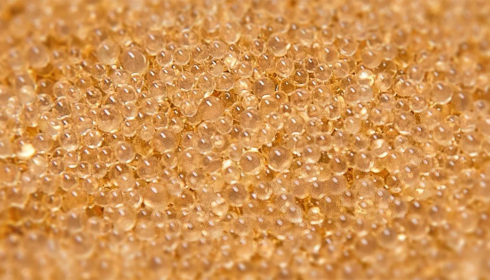
Inside many softening systems are tiny resin beads designed to attract and capture hardness minerals like calcium and magnesium before those minerals travel throughout the home. Over time, the system flushes and refreshes itself so the process can continue working consistently.
Most homeowners don’t need to memorize the science behind it, though. What matters more is understanding why the results feel different.
Less mineral content means fewer deposits inside pipes and appliances. Soap works better. Surfaces stay cleaner longer. Water interacts differently with fabrics, skin, and cleaning products throughout the house.
And once those improvements become normal, it’s honestly difficult to imagine going back.
Water Conditioning Isn’t Just About Luxury
Some people still think water treatment systems are unnecessary luxuries reserved for oversized homes or expensive renovations.
But in reality, water conditioning is often more about practicality than luxury.
Hard water slowly shortens the lifespan of appliances by creating scale buildup internally. Water heaters lose efficiency. Dishwashers and washing machines work harder over time. Plumbing fixtures clog gradually. Homeowners end up spending more on cleaning products because soap simply doesn’t perform as effectively in mineral-heavy water.
When viewed over several years, addressing water quality can actually reduce long-term maintenance headaches rather than create them.
And honestly, there’s value in removing small daily frustrations before they quietly become normal parts of your routine.
Maintenance Still Matters
Of course, no system completely eliminates the need for upkeep.
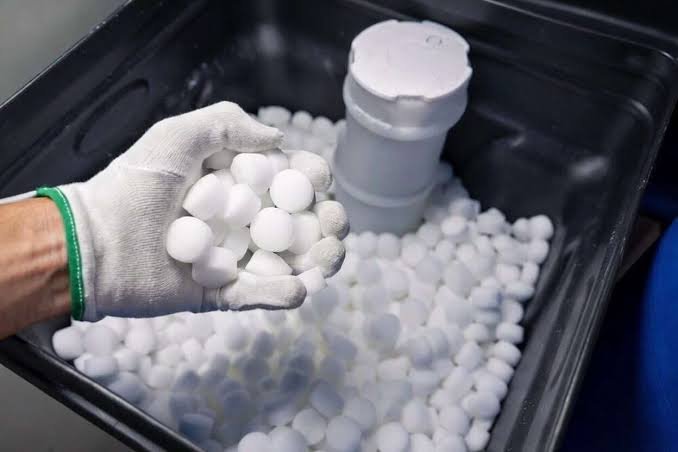
Water softeners still require occasional maintenance, salt refills, and system checks to keep performing properly. Filters need replacing. Equipment needs monitoring. Like most home systems, consistency matters more than perfection.
The good news is that modern systems are usually fairly manageable once homeowners establish simple routines. And compared to constantly scrubbing mineral stains or replacing damaged appliances early, most people consider the maintenance worthwhile.
Homes Feel Better When the Basics Work Properly
At the end of the day, homeowners rarely install water treatment systems because they’re fascinated by plumbing technology.
They do it because they want their homes to feel easier to live in.
Better showers. Cleaner dishes. Softer laundry. Less buildup. Appliances lasting longer without constant issues. Those things quietly shape daily comfort more than people often realize.
And maybe that’s why conversations around water quality have become more common lately. People are paying closer attention to the systems supporting everyday life behind the scenes instead of only focusing on visible upgrades like paint colors or furniture.
Because honestly, comfort isn’t always about what you can see.
Sometimes it’s the invisible parts of a home — the water, the airflow, the quiet reliability of everyday systems — that make the biggest difference in how a place actually feels to live in every day.