There are certain things in a house people only notice when they stop working properly. Heating during winter. Internet during a work call. And water — especially water.
Not just whether it comes out of the tap, but how it feels, tastes, smells, and behaves in daily life. Most homeowners don’t think much about it until dishes start coming out cloudy or the shower leaves skin feeling strangely dry every morning.
I remember staying with a friend a few years ago whose house had extremely hard water. At first, I couldn’t figure out why the towels felt stiff or why the tea tasted slightly off. Then I noticed the white residue around the faucets and shower glass that never seemed fully clean no matter how much scrubbing happened.
They’d gotten so used to it that they barely noticed anymore.
That’s the funny thing about water problems — they creep in slowly enough that people adapt without realizing how much daily comfort has changed.
Water Affects More Than People Realize
Most conversations about water focus only on drinking safety, but household water influences far more than what ends up in a glass.
Water touches laundry, dishes, showers, cooking, appliances, plumbing, and even how your skin feels after washing your hands. Tiny interactions repeated dozens of times every day.
When water quality is poor, those routines become slightly more frustrating in ways people don’t always connect back to the source. Soap refuses to lather properly. Coffee tastes dull. Hair feels brittle. Faucets collect stubborn spots constantly.
None of it sounds dramatic on paper. Yet together, those little annoyances shape how comfortable a home feels overall.
Why Hard Water Causes So Many Small Problems
Hard water is one of the most common household issues homeowners face, especially in areas with high mineral content in the local supply. Calcium and magnesium naturally collect as water moves through soil and underground rock formations before reaching homes.
The result? Mineral-heavy water that slowly leaves buildup behind almost everywhere it goes.
Pipes narrow over time. Water heaters become less efficient. Appliances wear down faster. Showerheads clog gradually. Even freshly cleaned dishes can look dirty moments after drying.
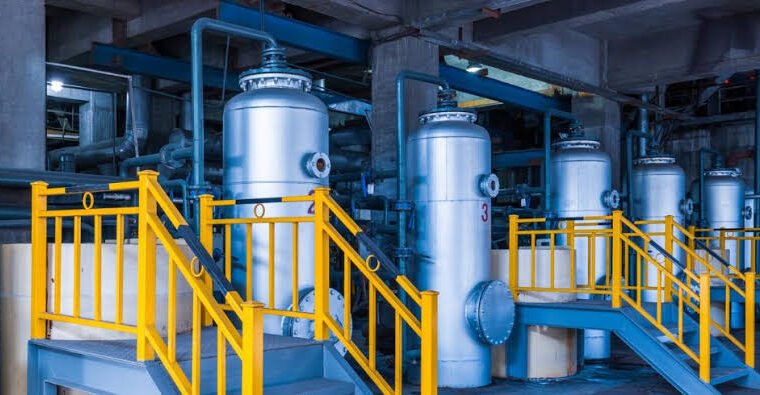
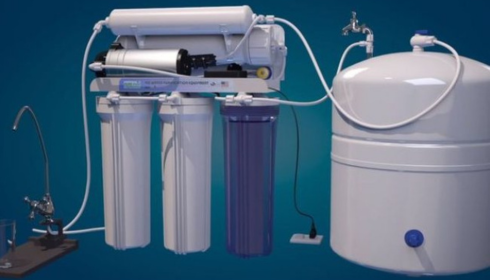
That’s why many homeowners start exploring water conditioning systems once the signs become impossible to ignore. Instead of only filtering contaminants, conditioning systems help manage mineral-related problems that affect both plumbing and everyday comfort.
And honestly, once people experience the difference, they usually wonder why they waited so long.
The Goal Isn’t Perfection — It’s Comfort
One thing the internet does badly is making every water issue sound catastrophic. Sometimes homeowners end up overwhelmed by technical explanations and expensive recommendations before they even understand the actual problem.
In reality, most people aren’t searching for “perfect” water. They simply want water that feels comfortable, clean, and reliable day to day.
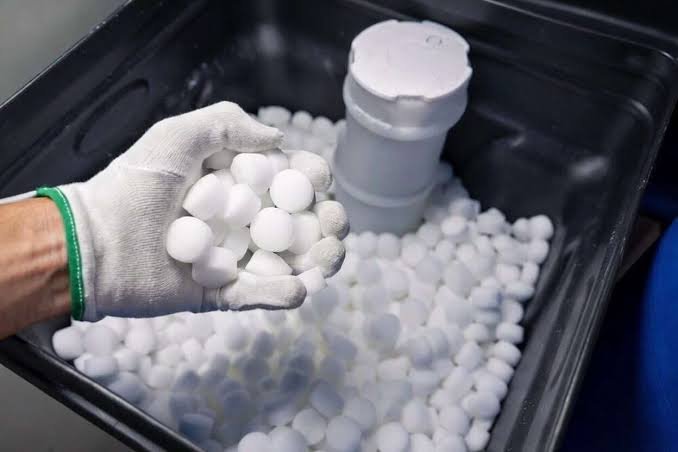
That’s where proper mineral removal becomes valuable. Reducing excess minerals helps prevent buildup while improving how water interacts with soaps, appliances, and plumbing systems throughout the home.
The benefits often show up quietly at first. Cleaner shower glass. Softer laundry. Fewer spots on dishes. Less scrubbing around sinks and faucets every weekend.
Small wins individually. But together, they noticeably change daily routines.
Why Softer Water Feels Different
People who switch from hard water to soft water often describe the experience emotionally rather than technically.
They’ll say showers feel smoother. Their skin feels less irritated. Hair becomes easier to manage. Laundry suddenly feels softer even using the same detergent as before.
Funny enough, some people initially think softened water feels “slippery” because their skin isn’t coated with leftover mineral residue anymore. It takes time for the body to adjust when something you normalized for years suddenly changes.
A neighbor once told me their biggest surprise after installing a softening system was how much less cleaning they needed to do around the bathroom. “I didn’t realize how much time I was wasting fighting water stains,” they said.
That stuck with me because it’s true. Hard water quietly creates constant low-level maintenance homeowners often accept as normal.
Appliances Feel the Difference Too
Most people focus on personal comfort first, but water quality affects appliances just as heavily.
Mineral buildup forces water heaters to work harder. Dishwashers become less efficient. Washing machines experience additional strain over time. Coffee makers and kettles collect scale surprisingly fast in hard water regions.
These problems develop slowly enough that homeowners rarely connect them back to water quality immediately. They assume the appliance is aging naturally or was poorly manufactured.
Sometimes the real issue is simply the water moving through it every day.
That’s why improving water quality often extends the lifespan of household equipment without homeowners fully realizing it at first.
Better Water Creates Quiet Peace of Mind
There’s something reassuring about knowing the basics of your home work properly. Maybe that sounds obvious, but daily comfort often comes from invisible systems quietly doing their jobs in the background.
Reliable water means fewer frustrations. Cleaner fixtures. Better showers. More enjoyable cooking. Less maintenance stress.
Nobody walks into a house complimenting the water quality the way they admire a kitchen remodel or fancy furniture. Yet behind the scenes, water shapes daily life constantly.
And honestly, that quiet reliability matters more than people sometimes realize.
Why Homeowners Are Paying More Attention Now
People today seem more aware of their home environment overall. We think about air quality, energy efficiency, cleaning ingredients, and long-term health more carefully than previous generations often did.
Water naturally became part of that bigger conversation.
Not because homeowners suddenly became obsessed with plumbing technology. Most simply want homes that feel easier to maintain, more comfortable to live in, and less frustrating over time.
Good water supports all of those goals quietly in the background.
Final Thoughts
Water quality rarely becomes a priority until homeowners start noticing the subtle ways poor water affects daily life. Dry skin, cloudy dishes, mineral buildup, appliance wear — these issues often seem unrelated until the bigger picture finally becomes clear.
The good news is that improving water quality doesn’t need to feel overwhelming or overly technical.
Sometimes better water simply means fewer small frustrations, cleaner routines, and a home that feels more comfortable every single day.
And honestly, that’s probably reason enough.