Water Is Part of Business Operations
Water might not be the first thing that comes to mind when people talk about running a successful business. Revenue, staffing, equipment, customer service, and technology usually get the spotlight.
But in many workplaces, water quietly supports a surprising number of daily activities. Restaurants use it for food preparation and cleaning. Hotels depend on it for guest rooms and laundry. Manufacturing facilities may need it for production, cooling, or sanitation. Offices rely on it for kitchens, bathrooms, and employee comfort.
When water quality creates problems, those problems can quickly become operational issues.
That’s why businesses should look at water treatment as more than a maintenance expense. A well-planned system can support smoother operations, protect equipment, and create a better environment for employees and customers.
Every Business Has Different Water Needs
There isn’t one universal water treatment system for every commercial property. A small café and a large manufacturing facility can have completely different requirements.
Water usage, building size, plumbing infrastructure, equipment, local water conditions, and industry regulations all influence what type of treatment may be appropriate.
This is where commercial water treatment solutions become especially useful. Instead of relying on a generic setup, businesses can choose treatment strategies designed around their actual water usage and operational requirements.
For some facilities, filtration may be the priority. Others may need softening, reverse osmosis, disinfection, or a combination of technologies.
The right answer usually begins with testing and a clear understanding of what the business needs.
Why Water Quality Can Affect Equipment
Hard water and mineral buildup aren’t just cosmetic annoyances. In commercial environments, they can become expensive maintenance concerns.
Minerals may accumulate inside boilers, water heaters, dishwashers, coffee machines, cooling equipment, and other water-dependent systems. Over time, scale can reduce efficiency and increase the need for cleaning or repairs.
Businesses that use a lot of water may notice these problems sooner because equipment operates more frequently.
A properly selected treatment system can help manage the water characteristics responsible for these issues, potentially reducing unnecessary strain on equipment.
That doesn’t mean treatment eliminates maintenance. Nothing does. But it can make routine maintenance more manageable.
Efficiency Matters More Than Ever
Businesses are constantly looking for ways to work smarter. Even small improvements can matter when they happen every day across a busy facility.
Water treatment can contribute to operational efficiency when it helps equipment perform properly, reduces scale-related interruptions, and supports consistent water quality.
Imagine a restaurant dealing with frequent mineral buildup in its dishwashing equipment. Staff have to clean components more often, service calls become more common, and operations can slow down.
Now imagine that same equipment operating with properly treated water. The difference might not be dramatic on day one, but over months and years, small improvements can add up.
That’s the real value of efficiency. It’s often found in the things people don’t notice until they stop working.
Clean Water Supports Better Workplaces
Water quality also affects the people inside a commercial property.
Employees use drinking fountains, kitchen faucets, coffee stations, and restrooms throughout the day. In hotels, customers may judge the overall quality of their stay partly through seemingly minor details, including the taste and appearance of water.
Providing high-quality water can support a more comfortable experience for employees, guests, and customers.
Of course, businesses should choose treatment systems based on appropriate testing and safety requirements. Marketing claims shouldn’t replace proper water-quality evaluation.
The goal is simple: water should be suitable for its intended use and treated according to the needs of the facility.
Choosing the Right Treatment Technology
Commercial water treatment can involve several technologies, and each has a different purpose.
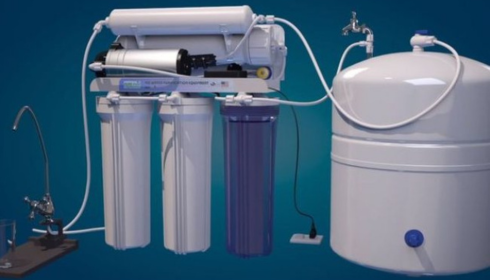
Water softeners can address hardness minerals. Carbon filtration may help with certain tastes, odors, and substances. Reverse osmosis can provide more intensive treatment for selected applications. Ultraviolet systems may be used for microbial control in appropriate settings.
The important thing is matching the technology to the problem.
Installing a complicated system just because it has more stages isn’t necessarily smart. A properly designed system should provide the treatment the facility needs without unnecessary complexity.
Maintenance Should Be Planned, Not Reactive
Commercial equipment doesn’t get weekends off. Many systems operate continuously or for long hours, which makes regular maintenance particularly important.
Filters need replacement. Components need inspection. Tanks and treatment equipment may require periodic servicing.
Businesses should establish a maintenance schedule and keep records of service work. This makes it easier to spot recurring problems and avoid unexpected interruptions.
It’s also worth asking treatment providers about emergency support. If a system fails during a busy production period, waiting several days for assistance can be costly.
A good service relationship can be just as important as the equipment itself.
Consider the Total Cost
When evaluating commercial water treatment, looking only at the installation price can be misleading.
Businesses should consider the full cost of ownership, including equipment, installation, filter replacements, salt or other consumables, energy and water usage, routine maintenance, and potential repairs.
A system with a lower upfront price may become expensive if it requires frequent servicing. On the other hand, a higher-quality system may provide better long-term value if it operates efficiently and lasts longer.
The cheapest option isn’t always the most economical one.
Professional Assessment Can Save Time
Water treatment decisions can become complicated quickly, particularly in large facilities.
A professional assessment can help businesses understand their water conditions, usage patterns, equipment requirements, and treatment options. It can also identify opportunities to improve the existing setup without replacing everything.
The best providers should explain recommendations clearly. Businesses should know what a proposed system is designed to do, what maintenance it requires, and how performance will be monitored.
Good advice should leave you informed, not confused.
Building a More Reliable Water Strategy
Water treatment is easy to overlook until a problem affects daily operations. By then, the cost of fixing the issue may be much higher than the cost of planning ahead.
A better approach is proactive. Test the water, understand the facility’s requirements, select appropriate technology, and establish a realistic maintenance routine.
Commercial water treatment isn’t about installing the most expensive equipment available. It’s about creating a practical system that supports the business behind the scenes.
When water quality is consistent, equipment is protected, and maintenance is under control, everyone benefits. Employees can focus on their work, customers get a better experience, and business owners have one less operational concern competing for their attention.
And sometimes, the best business improvements are the ones nobody notices—because everything simply keeps working.