There’s something reassuring about turning on the kitchen faucet and filling a glass without giving it a second thought. Water is one of those everyday essentials we tend to take for granted until something feels different. Maybe it develops a strange taste, leaves white spots on dishes, or carries an odor that wasn’t there before. Suddenly, something so ordinary becomes impossible to ignore.
The truth is, water doesn’t have to look dirty to deserve a closer look. Even clear water can contain minerals, dissolved compounds, or tiny particles that influence how it tastes and performs throughout your home. While not every change signals a serious problem, paying attention to those small differences can make a big difference over time.
Your Water Tells a Story
Every home has a unique water profile. The source of the water, local infrastructure, seasonal weather, and even the age of your home’s plumbing all influence what eventually flows from the tap.
That’s why two neighbors living on the same street can sometimes notice different experiences. One may deal with mineral buildup in the shower, while another complains about an odd smell in the kitchen sink. Neither situation should be ignored simply because the water appears clean.
Water changes gradually. Unlike a burst pipe or broken appliance, water quality issues often creep in so slowly that homeowners simply adjust without realizing it. Looking back, they often remember thinking, “I guess it always tasted like that,” even when it didn’t.
Why taste and overall water quality Matter
Most people judge their drinking water by taste first. If it tastes fresh, they assume everything is fine. While taste is certainly important, it’s only one piece of the puzzle.
The taste and overall water quality are influenced by a combination of natural minerals, treatment methods, plumbing materials, and environmental conditions. Calcium and magnesium may contribute to hardness, while chlorine used during municipal treatment can affect flavor and smell.
Water that tastes slightly different isn’t automatically unsafe. Likewise, water that tastes perfectly normal isn’t guaranteed to be free of unwanted contaminants. That’s why occasional testing provides a much clearer picture than relying on your senses alone.
Paying attention to subtle changes today can help prevent larger concerns tomorrow.
Common Signs Your Water May Need Attention
Sometimes your home quietly tells you that something has changed.
You might notice soap becoming harder to rinse away, stubborn spots appearing on glassware, or a buildup around faucets that seems to return no matter how often you clean. These are often signs of excess minerals or hard water.
Other homeowners notice reduced water pressure because sediment slowly accumulates inside plumbing fixtures. Appliances such as water heaters, coffee makers, and dishwashers may also become less efficient over time when mineral deposits build up inside them.
Even dry skin or dull-looking laundry can occasionally be linked to the characteristics of household water.
None of these symptoms necessarily point to a dangerous issue, but they do suggest it’s worth understanding exactly what’s flowing through your plumbing system.
Finding the Right water treatment solutions
No single filtration system works perfectly for every household. The best water treatment solutions depend entirely on what’s actually present in your water.
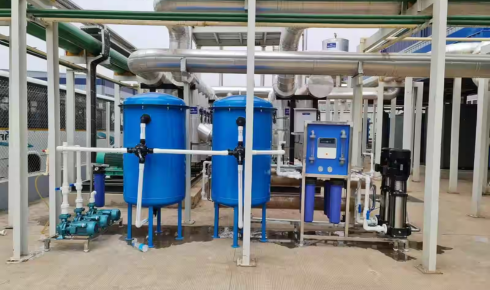
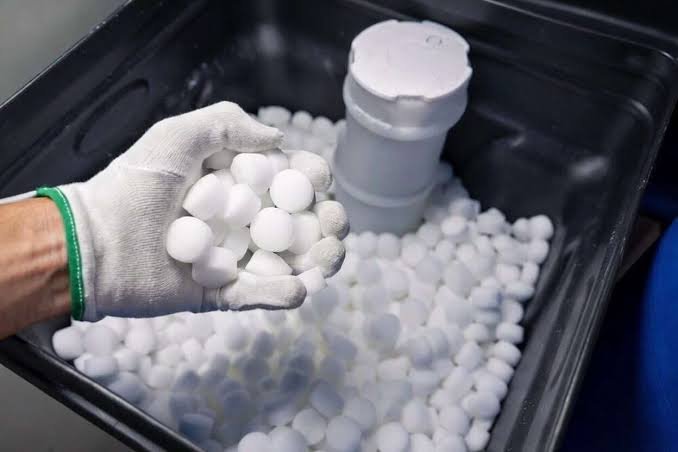
For some families, a simple activated carbon filter dramatically improves taste and removes chlorine odor. Others benefit from water softeners that reduce mineral buildup throughout the home. Reverse osmosis systems may be appropriate when homeowners want additional filtration for drinking water, while ultraviolet treatment is commonly used for certain private well systems.
Rather than buying equipment based on advertising alone, it’s far more practical to begin with a reliable water test. Once you understand the results, choosing the right treatment becomes much easier and often more cost-effective.
It’s a bit like buying prescription glasses—you wouldn’t choose them without first checking your vision.
Don’t Ignore Small Changes
One of the biggest mistakes homeowners make is assuming that water problems will eventually disappear on their own.
Unfortunately, many issues become more noticeable over time. Mineral deposits continue accumulating, filters become clogged, and plumbing systems slowly age. What begins as a slight change in taste may later affect appliances, fixtures, or maintenance costs.
Fortunately, regular maintenance doesn’t have to be complicated.
Replacing filters according to manufacturer recommendations, flushing water heaters periodically, cleaning faucet aerators, and scheduling occasional water testing all help maintain consistent performance. These simple habits require very little effort compared to the expense of repairing neglected plumbing systems.
The Value of cleaner water Every Day
When people think about cleaner water , they often focus only on drinking. In reality, cleaner water benefits almost every daily activity.
Cooking becomes easier because ingredients maintain their natural flavors. Coffee and tea often taste better without excess minerals interfering with the brewing process. Laundry feels softer, dishes dry with fewer spots, and shower fixtures stay cleaner for longer.
Even household appliances appreciate cleaner water. Water heaters, washing machines, ice makers, and dishwashers generally operate more efficiently when they’re not constantly fighting mineral buildup.
Over the years, these improvements can reduce maintenance costs while extending the lifespan of expensive household equipment.
Perhaps even more valuable is the peace of mind that comes from knowing your family is using water that’s been properly evaluated and maintained.
Water Quality Isn’t a One-Time Decision
Water conditions rarely stay identical forever. Municipal treatment methods change, underground infrastructure ages, weather patterns shift, and groundwater conditions naturally fluctuate.
That’s why water testing shouldn’t be viewed as something you do once and forget about. Periodic testing allows homeowners to catch gradual changes before they develop into larger concerns.
If your home relies on a private well, regular testing becomes even more important because there isn’t a municipal utility continuously monitoring the source.
Think of it as routine maintenance rather than an emergency response.
Final Thoughts
Water quietly supports nearly every part of daily life, yet it’s surprisingly easy to overlook until something feels different. Whether it’s an unusual taste, stubborn mineral deposits, or changing water pressure, those small clues are often worth investigating instead of ignoring.
Fortunately, improving household water doesn’t always require major renovations or expensive equipment. A thoughtful combination of testing, routine maintenance, and the right treatment system can dramatically improve both comfort and confidence.
At the end of the day, good water isn’t just about what comes out of the tap. It’s about protecting your home’s plumbing, helping appliances last longer, improving everyday routines, and ensuring every glass you pour is one you can enjoy with confidence.
Sometimes the simplest improvements turn out to have the biggest impact—and paying attention to your water is one of them.