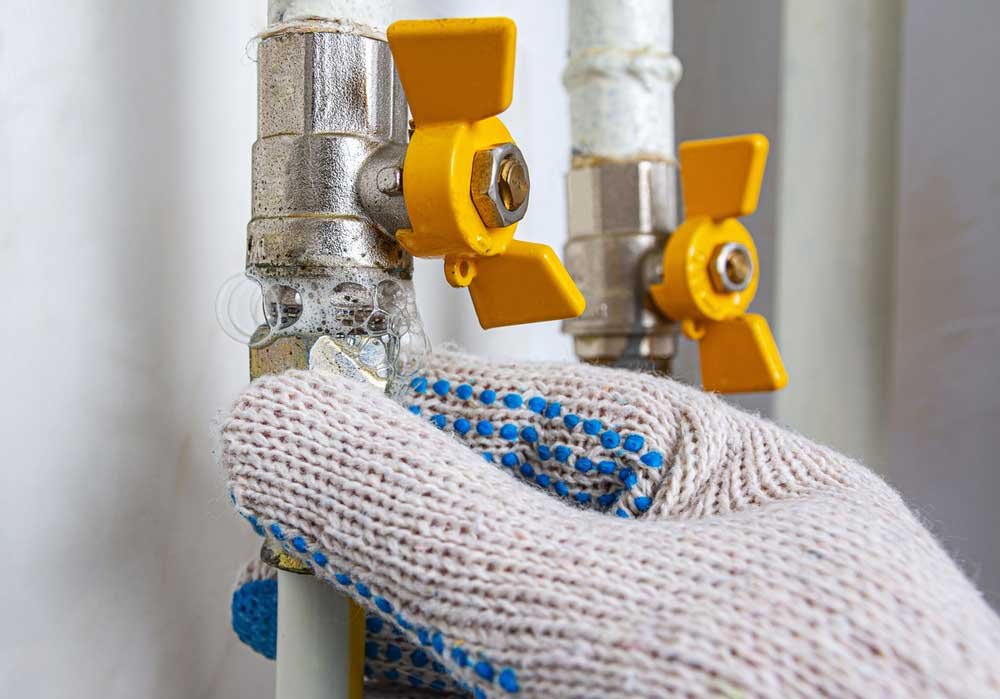
There’s a big difference between getting a job done and feeling genuinely looked after.
Most people have experienced both. You call a company, explain the problem, someone shows up, does the work, and leaves. Technically, the job is finished. But did they listen? Did they explain what was happening? Did they leave the place tidy? Did you feel comfortable asking questions?
Those details matter more than businesses sometimes realize.
Whether you’re hiring a plumber, contractor, repair technician, or another local professional, you’re inviting someone into your home and trusting them with something important. That trust isn’t built through a clever advertisement. It comes from consistent work, honest communication and the feeling that your concerns actually matter.
Good Service Starts With Listening
It sounds almost too simple, but listening is one of the most valuable parts of good customer service.
When someone calls about a problem, they usually know something isn’t right, even if they don’t know exactly what is causing it. Maybe there’s a strange noise coming from a pipe, a faucet that won’t stop dripping, or a water heater that isn’t producing enough hot water.
A professional shouldn’t immediately jump to conclusions.
Asking a few questions first can reveal useful details. When did the problem start? Has it happened before? Does it affect one fixture or the whole house?
Taking that extra minute can lead to a better diagnosis. And frankly, customers appreciate being heard.
Why Customer Satisfaction Goes Beyond a Smile
Customer satisfaction isn’t simply about making someone happy at the end of a job. It’s about whether the entire experience felt fair, respectful and worthwhile.
Did the company arrive when expected? Was the work explained clearly? Were unexpected costs discussed before additional work was performed?
These things shape how people remember a service.
A customer might forgive a small delay if they’re kept informed. They may also be perfectly happy with a repair that took longer than expected if the technician explained why and handled the situation professionally.
People don’t always expect perfection. They do expect honesty.
Quality Work Should Solve the Actual Problem
A quick repair can be tempting, especially when you’re trying to control costs. But there’s a difference between fixing a symptom and fixing the cause.
Imagine a drain that keeps becoming blocked. Clearing it every few weeks may seem convenient, but if there’s a deeper obstruction, damaged pipe or another underlying issue, the same problem will keep returning.
This is where quality service becomes important.
Good service isn’t necessarily about using the most expensive equipment or recommending the biggest solution. It’s about finding an approach that makes sense for the property, the problem and the customer’s needs.
Sometimes the answer is surprisingly simple. That’s okay. A professional shouldn’t make a small repair sound like a major project just to justify the bill.
Communication Can Prevent Unpleasant Surprises
Nobody likes unexpected costs.
Before beginning significant work, a professional should explain what needs to be done and, where possible, provide an estimate or clear pricing structure. If something unexpected is discovered once work begins, the customer should be informed before the scope changes.
This is especially important for plumbing and repair work because hidden problems can appear once walls, cabinets or flooring are opened.
Clear communication gives the homeowner a chance to make a decision rather than simply receiving a much larger bill afterward.
It also builds confidence. You may not understand every technical detail, but you should understand what you’re paying for.
Respect for the Customer’s Home Matters
A service professional may see dozens of homes every month. For the homeowner, it’s the place where they live.
That difference in perspective is worth remembering.
Technicians should take reasonable care to protect floors, cabinets and surrounding areas while working. Tools shouldn’t be left scattered around, and the workspace should be cleaned when the job is finished.
These aren’t huge gestures, but they’re noticeable.
A customer may forget exactly which wrench was used during a repair. They probably won’t forget whether the technician treated their home with care.
Building Trust Takes Time
One successful job is a good start. Repeated good experiences are what create real trust.
A homeowner might first call a company for a leaking faucet. Months later, they need help with a water heater. A year after that, perhaps they’re renovating a bathroom.
If every interaction is handled professionally, the relationship becomes easier.
Customers don’t have to search for someone new every time something goes wrong. The business already understands their expectations and, sometimes, even knows something about the property’s previous work.
That’s valuable.
Local Businesses Have a Unique Connection
A local company isn’t just operating in a geographic area. Its reputation often travels through that community.
Neighbours talk. Friends recommend businesses. Families share phone numbers. A single poor experience can spread quickly, but so can an excellent one.
That’s why community support can be such an important part of a successful local business.
Supporting local organisations, participating in community events or simply treating customers fairly can strengthen those connections. It doesn’t have to be some huge campaign. Sometimes being dependable and contributing where possible is enough.
People like doing business with companies that feel connected to the place they serve.
Employees Are Part of the Customer Experience
A company’s reputation isn’t created only by the owner or manager.
Technicians, office staff and customer-service representatives all shape the experience.
A knowledgeable technician who explains things patiently can turn a stressful repair into a manageable one. Likewise, a friendly person answering the phone can make a surprisingly good first impression.
Training matters, but so does workplace culture.
When employees are encouraged to take pride in their work and treat customers respectfully, that attitude tends to show up naturally in everyday interactions.
Technology Helps, But People Still Matter
Online booking, text notifications, digital estimates and automated reminders can make service more convenient. There’s nothing wrong with using technology to save time.
But convenience shouldn’t eliminate human communication.
Some problems simply can’t be explained with a few clicks. Customers may need to describe something unusual, ask follow-up questions or discuss different options.
The best companies use technology where it helps and real conversations where they’re needed.
Choosing a Service Provider Carefully
Don’t wait for a major emergency before deciding who you trust.
Take a little time to research local providers. Read reviews, ask friends or neighbours for recommendations and look for signs of experience.
Pay attention to how the company communicates before hiring them. Are they responsive? Do they answer questions? Are they clear about pricing? Do they seem interested in understanding the problem?
Those early interactions can tell you quite a lot.
The Small Things Often Matter Most
Great service isn’t always dramatic.
Sometimes it’s simply arriving on time. Sometimes it’s explaining a repair without making the customer feel foolish. Sometimes it’s putting everything back exactly where it was.
These small actions add up.
Over time, they create a reputation for reliability that no advertisement can manufacture. Customers remember how they were treated, particularly when they’re dealing with a stressful problem.
In the end, good service comes down to something fairly ordinary: do the work properly, communicate honestly, respect people’s homes and care about the result.
That’s not a complicated formula. But it’s surprisingly powerful.
And when a business consistently does those things, customers notice. More importantly, they remember—and they’re much more likely to call again when they need help.