Most people don’t spend much time thinking about the equipment that keeps water flowing through their home. We expect the shower to start instantly, the washing machine to fill without hesitation, and the kitchen faucet to work every single time we turn the handle. It’s one of those everyday conveniences that quietly fades into the background—until something stops working.
When water pressure becomes inconsistent or the well pump starts cycling constantly, many homeowners assume the pump itself is failing. Sometimes that’s true, but surprisingly often the real issue involves the pressure tank or the way it was installed. A properly installed pressure tank isn’t just another piece of plumbing equipment. It’s the component that helps your entire water system operate smoothly, efficiently, and reliably for years.
Understanding the Purpose of a Pressure Tank
A pressure tank acts like a buffer between your well pump and your household plumbing.
Instead of forcing the pump to switch on every time someone opens a faucet, the tank stores water under pressure. As water is used throughout the home, the tank supplies it until pressure reaches a certain level, at which point the pump automatically starts to refill it.
This process reduces wear on the pump while providing a much steadier flow of water.
Without a properly functioning pressure tank, pumps often cycle far more frequently than they should, increasing energy use and shortening equipment life.
Installation Is Just as Important as the Equipment
Buying a quality pressure tank is only part of the equation.
Even premium equipment can underperform if installation isn’t completed correctly. Air pressure settings, plumbing connections, pressure switch calibration, pipe sizing, and foundation stability all play important roles in long-term performance.
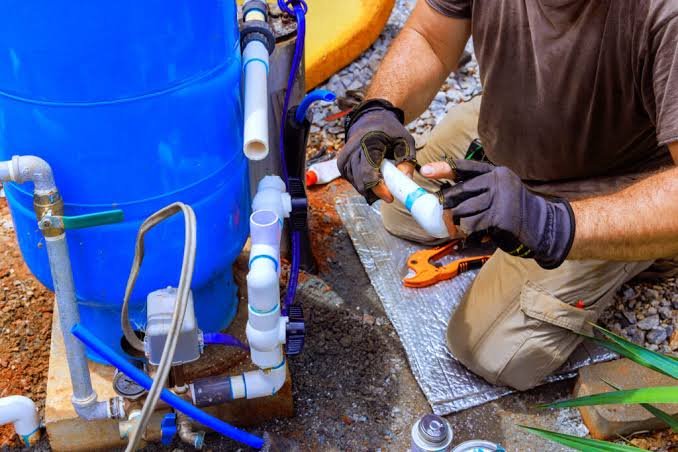
Professional pressure tank installation services ensure every component is correctly configured before the system begins daily operation. Installers verify pressure settings, inspect safety devices, check for leaks, and confirm the pump and tank are properly matched.
Those details may seem small, but together they have a significant impact on overall system reliability.
Common Problems Caused by Poor Installation
Improper installation can create a surprising number of issues.
Homeowners often notice symptoms such as:
- Water pressure rising and falling unexpectedly
- Pump constantly turning on and off
- Increased electricity bills
- Air coming from faucets
- Unusual noises near the pressure switch
- Premature pump failure
- Reduced equipment lifespan
Many of these problems develop gradually, making them easy to overlook until repairs become unavoidable.
Starting with proper installation helps avoid those headaches altogether.
Protecting Your Home’s water supply
Reliable access to clean water is something most of us simply expect.
Whether you’re making coffee before work, taking a shower after the gym, or watering the garden on a warm afternoon, a dependable water supply keeps everyday routines moving without interruption.
A properly installed pressure tank contributes directly to that reliability by maintaining stable pressure and reducing unnecessary strain on the well pump. During periods of heavy household demand, it allows water to continue flowing smoothly instead of causing sudden drops in pressure.
It’s one of those behind-the-scenes improvements that homeowners appreciate every single day, even if they rarely think about it.
Why Tank Size Matters
One of the biggest mistakes people make is assuming bigger always means better.
In reality, selecting the correct tank size depends on several important factors:
- Household size
- Daily water consumption
- Pump capacity
- Number of bathrooms
- Outdoor irrigation requirements
- Future home expansion
A tank that’s too small forces the pump to cycle frequently, while an oversized system may increase costs without providing meaningful benefits.
The right balance delivers both efficiency and dependable performance.
Maintenance Helps Protect Your Investment
Pressure tanks don’t require constant attention, but a little maintenance goes a long way.
Annual inspections typically include checking air pressure, examining plumbing connections, testing pressure switch operation, and looking for signs of leaks or corrosion.
These routine inspections often identify small concerns before they become expensive repairs.
Just like servicing your vehicle regularly helps avoid engine problems, maintaining your pressure tank supports the entire water system.
The Connection Between Pressure Tanks and Energy Efficiency
There’s another benefit that many homeowners overlook.
Every time a well pump starts, it consumes electricity. Frequent cycling increases energy use while placing additional mechanical stress on the motor.
When a pressure tank stores sufficient water under pressure, the pump operates less frequently.
Over months and years, fewer pump cycles often translate into lower utility costs and longer equipment life.
It’s not the kind of savings you’ll notice overnight, but over time the difference can become surprisingly significant.
A Healthy plumbing system Starts with Reliable Pressure
Your home’s plumbing system depends on more than pipes and fixtures.
Stable pressure helps appliances operate correctly, protects valves and fittings from excessive strain, and ensures water reaches every faucet consistently throughout the house.
Poor pressure regulation can create unnecessary wear across the entire plumbing network. By maintaining balanced water pressure, a properly installed pressure tank supports everything from dishwashers and washing machines to outdoor hose connections and irrigation systems.
It’s a simple component with a surprisingly large impact.
Planning Ahead for Future Needs
Families grow. Homes expand. Landscapes change.
The water demands of your household today may not look the same five or ten years from now.
When installing or replacing a pressure tank, it’s worth thinking beyond immediate needs. Choosing equipment that accommodates future growth often prevents expensive upgrades later.
Planning ahead doesn’t necessarily mean purchasing the largest tank available—it means selecting equipment that provides flexibility without sacrificing efficiency.
That thoughtful approach usually pays dividends over the long term.
Final Thoughts
A pressure tank may never become the most exciting feature of your home, but it’s certainly one of the most important. It quietly supports daily life by protecting your well pump, improving water pressure, reducing energy consumption, and helping your plumbing operate more efficiently.
Whether you’re building a new home, replacing an aging tank, or upgrading your well equipment, investing in proper installation is just as important as choosing quality products. Small details during installation often determine how well the entire system performs for years to come.
When everything is installed correctly, water simply works the way it should—steady, dependable, and ready whenever you need it. And honestly, that’s exactly what every homeowner hopes for.