There’s something strangely personal about water. You use it constantly without thinking much about it — first thing in the morning when making coffee, while cooking dinner, brushing your teeth before bed, filling a glass after a long day. It’s woven quietly into almost every routine at home.
That’s probably why people react differently when conversations about water quality suddenly become more serious.
A few years ago, most homeowners only worried about water if it smelled odd or tasted strange. Now the discussion has shifted. People are reading more about long-term exposure, filtration methods, and environmental contaminants they’d barely heard of before. And honestly, once you start learning about how many things can potentially affect water supplies, it becomes difficult not to pay attention.
Water Safety Feels More Personal Than It Used To
Part of the reason homeowners are becoming more aware of water quality is because information is simply easier to access now. Reports that once stayed buried in technical documents or environmental studies are suddenly showing up in headlines and everyday conversations.
Terms like PFAS have entered mainstream discussions in a way they never did before. People hear phrases like “forever chemicals” and naturally start asking questions about where their water comes from and how it’s treated before reaching the tap.
Now, to be fair, not every area faces the same level of concern. Water quality varies enormously depending on local infrastructure, industrial activity, groundwater conditions, and municipal treatment systems. Some households may never encounter serious issues at all.
But awareness changes how people think.
And once homeowners start researching filtration or testing options, they usually realize water quality is far more complex than they initially assumed.
Most Water Concerns Don’t Announce Themselves Clearly
One frustrating thing about many water-related issues is that they often remain invisible. Unlike a burst pipe or flooding problem, contaminants don’t necessarily create immediate warning signs.
Water can look perfectly clear and still contain substances homeowners would rather reduce or remove.
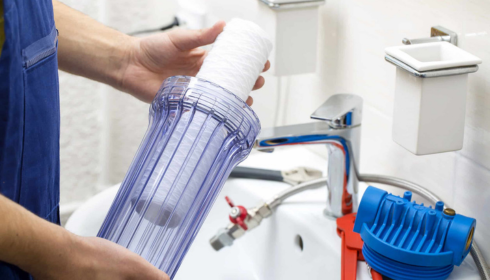
That uncertainty is partly why filtration systems have become more common in regular households rather than just luxury homes or rural properties. People want more control over something they consume every single day.
One homeowner I spoke with said installing a filtration system wasn’t driven by fear so much as peace of mind. “I just wanted to stop wondering about it,” he told me.
Honestly, that feels like a pretty relatable reason.
The Conversation Around PFOS Keeps Growing
Another term appearing more frequently in water discussions is PFOS, one of several compounds associated with long-lasting industrial chemicals. While the science and regulations around these substances continue evolving, public awareness has definitely increased over the past few years.
And naturally, when people hear unfamiliar chemical names connected to drinking water, they start looking into filtration systems more seriously.
The internet doesn’t always help, unfortunately. Water treatment marketing often swings between extremes — either pretending every household faces a disaster or promising miracle solutions that solve everything instantly.
Real life sits somewhere in the middle.
Good filtration systems absolutely help reduce many common concerns, but choosing the right setup depends heavily on the actual conditions affecting a home’s water supply. That’s why proper testing matters before investing in expensive equipment based entirely on online anxiety.
Rural Homes Often Face Different Challenges
Water concerns aren’t limited to cities or industrial areas either. Rural properties using wells often encounter completely different issues compared to municipal systems.
Agricultural runoff, natural minerals, and environmental exposure can all influence groundwater quality over time. In farming regions especially, discussions around pesticides in water supplies occasionally become part of broader environmental conversations.
Again, this doesn’t automatically mean water is unsafe everywhere. But it does explain why many rural homeowners rely heavily on testing and filtration systems tailored specifically to their local conditions.
And honestly, well owners tend to become surprisingly knowledgeable about water once they start maintaining their own supply systems.
Older Infrastructure Creates Additional Concerns
Even in urban neighborhoods, aging infrastructure can influence water quality in subtle ways. Older pipes may contribute sediment or corrosion over time, particularly in homes built decades ago.
That’s one reason discussions around heavy metals continue appearing in water quality conversations. Corrosion from older plumbing systems can sometimes introduce unwanted materials into household water supplies, especially if infrastructure maintenance has been delayed.
Most homeowners don’t think about what’s happening inside old pipes hidden behind walls or underground. Why would they?
But once awareness increases, people naturally become more proactive about filtration and testing — not necessarily because they expect disaster, but because they want reassurance.
Better Water Quietly Changes Daily Life
What’s interesting is that homeowners who improve their water systems rarely describe the results in dramatic terms afterward. Instead, they talk about small everyday changes.
Coffee tastes cleaner. Ice cubes stop carrying odd flavors. Tap water feels more refreshing. Some even say they drink more water naturally once they actually enjoy the taste.
And honestly, those small improvements matter.
Life at home is built from routines repeated constantly — cooking, cleaning, making tea, filling reusable bottles before work. When the water involved in all those routines improves, the overall feeling inside the home changes subtly too.
Most People Aren’t Looking for Perfection
At the end of the day, homeowners usually aren’t chasing laboratory-grade perfection. They simply want confidence in the water flowing through their homes.
They want to know they’ve taken reasonable steps to improve quality, reduce potential concerns, and make daily life feel healthier and more comfortable for their families.
And maybe that’s why water conversations feel different now than they did years ago. People aren’t only thinking about emergencies or obvious contamination anymore. They’re thinking about long-term habits, peace of mind, and the quiet role water plays in everyday life.
Once you start seeing water as part of overall home wellness rather than just another utility bill, paying attention to it feels far less extreme — and far more practical.