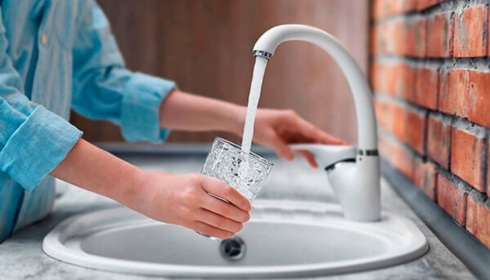
You don’t usually think about water. It’s one of those background essentials—always there, always doing its job. You fill a glass, take a shower, run the dishwasher… life moves on.
Until one day, something feels slightly off.
It’s not obvious. Just a small difference. Your coffee tastes flatter than usual. Your skin feels a bit dry after a shower. Or those faint spots on your dishes start appearing more often than you’d like.
Nothing urgent. But enough to make you wonder.
The Moment You Start Paying Attention
That quiet realization—maybe my water isn’t as good as it could be—is where things begin.
Most people don’t notice water when it’s working well. That’s kind of the point. But when it drifts even slightly out of balance, it shows up in small, persistent ways.
You might ignore it at first. Everyone does. But over time, those little signs tend to stick around.
And curiosity slowly takes over.
It’s Not Always About Removing—Sometimes It’s About Balancing
One of the most misunderstood parts of water improvement is the idea that everything needs to be filtered out.
In reality, some issues aren’t about contamination at all—they’re about balance.
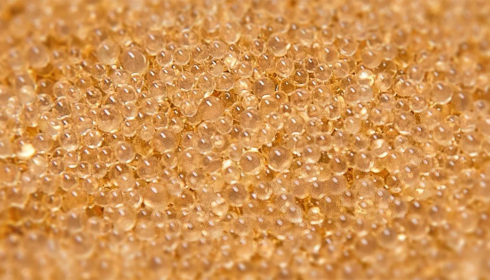
That’s where water conditioning comes into play. Instead of stripping water down completely, conditioning works with what’s already there, adjusting how it behaves in your home.
The change isn’t dramatic, but it’s noticeable. Water feels smoother. It interacts better with soap. Your daily routines feel a bit more effortless.
It’s less about fixing something broken and more about bringing things back into alignment.
When Minerals Start Showing Their Personality
Then there’s the issue of minerals—something many homes deal with without even realizing it.
If your water leaves behind chalky residue or makes soap feel ineffective, you’re probably experiencing the effects of mineral-heavy water.
This is where water softening becomes relevant. It focuses on reducing minerals like calcium and magnesium, which are responsible for that buildup and those small annoyances.
The difference shows up in everyday moments. Softer laundry. Cleaner dishes. Showers that feel more comfortable on your skin.
It’s not a big transformation overnight. But over time, it makes a noticeable difference in how your home feels.
Cleaning Up What You Don’t Always Notice
While balance and minerals play a role, there’s another layer to consider—what’s actually present in your water.
Even when water looks clear, it can carry particles, sediments, or trace elements that affect taste and clarity.
That’s where filtration systems come in. They focus on removing unwanted substances, improving both the quality and consistency of your water.
The change can be subtle but meaningful. Water tastes cleaner. Cooking feels more reliable. Even something as simple as a glass of water becomes more refreshing.
And once you notice that difference, it becomes hard to ignore.
The Ripple Effect Across Your Home
What’s fascinating about water is how far its influence reaches.
It’s not just about what you drink. It’s in your shower, your laundry, your cleaning routines—every corner of your home.
When water is balanced and clean, everything tends to work better. Appliances last longer. Surfaces stay cleaner. Your routines feel smoother.
But when it’s slightly off, those small inefficiencies start to add up. Not enough to disrupt your day, but enough to make things feel less comfortable than they should.
Finding What Actually Works for You
There’s no universal solution when it comes to water. Every home is different, every supply has its own characteristics.
Some people benefit most from softening. Others focus on filtration. In many cases, a combination of approaches works best.
The key is understanding what you’re dealing with.
Pay attention to the signs—taste, texture, performance. These are all clues that help you decide what matters most.
From there, the right solution tends to reveal itself naturally.
A Change That Settles In Quietly
Improving your water isn’t something you notice all at once.
There’s no big reveal moment. No dramatic before-and-after comparison. Instead, it’s gradual.
Your water tastes better. Your routines feel smoother. Your home feels just a bit more comfortable.
And then, after a while, it becomes normal.
You stop thinking about it—because everything is working the way it should.
A Final Thought, Just to Sit With
Water is one of those things we rely on every single day, yet rarely question.
But when you start paying attention—even just a little—you realize how much it shapes your daily life.
Not in big, obvious ways. In small, consistent ones.
And sometimes, those small improvements are enough to make everything feel just a bit better.