Most water problems don’t arrive dramatically. There’s usually no giant warning sign flashing above the kitchen sink.
Instead, it starts quietly.
A strange taste in your morning coffee. White residue collecting around faucets. Dry skin after showers that no lotion seems to fix. Maybe your dishwasher leaves spots on every glass no matter how carefully you load it.
At first, people blame everything except the water itself. The soap. The appliances. The weather. Cheap plumbing fixtures.
But eventually, homeowners start noticing a pattern: water touches nearly every part of daily life, and when its quality changes, the whole house somehow feels different.
And honestly, that realization catches a lot of people by surprise.
Water Quality Isn’t the Same Everywhere
One thing many homeowners underestimate is how much local conditions affect water quality.
Some neighborhoods deal with extremely hard water packed with minerals. Others struggle with sediment, chlorine-heavy municipal supplies, or older infrastructure affecting taste and clarity. Homes using private wells often face entirely different concerns depending on local groundwater conditions.
Even two homes on the same street can sometimes experience different issues because of plumbing age or individual systems.
That’s why blindly buying random filters online rarely works well long term. Water problems aren’t universal, so solutions shouldn’t be either.
I remember visiting a family member who kept replacing showerheads every year because they clogged so quickly. They assumed the products were low quality. Turns out their water had unusually high mineral content, and the buildup was quietly damaging fixtures throughout the house.
The water had been causing the problem the entire time.
Why Testing Matters More Than Guessing
Before homeowners spend money on treatment equipment, the smartest first step is usually water testing.
Not because every home has dangerous water, but because testing removes assumptions from the process.
A proper test helps identify mineral levels, sediment, chlorine content, bacteria, pH balance, or other contaminants affecting the water supply. Without that information, people often waste money treating the wrong issue entirely.
And honestly, water can be deceptive.
Clear water isn’t always clean water. Some problems affect taste and smell immediately, while others quietly impact plumbing systems or appliance performance over time without obvious warning signs.
Testing gives homeowners clarity instead of guesswork. It helps answer an important question: what exactly are we trying to fix here?
Once that’s understood, solutions become much easier to choose.
Better Water Changes Daily Life in Small but Noticeable Ways
The interesting thing about improving water quality is how many little details start improving alongside it.
Coffee tastes smoother. Soap rinses more cleanly. Towels feel softer. Dishes come out clearer. Even showers somehow feel more refreshing.
None of these changes sound life-changing on their own, which is probably why people underestimate them at first. But together, they quietly make a home feel more comfortable every single day.
That’s why homeowners increasingly look for customized water solutions rather than temporary fixes.
Some homes mainly need softening systems to handle hard minerals. Others benefit more from advanced filtration, sediment control, or specialized drinking water treatment. The right answer depends heavily on local water conditions and household priorities.
And honestly, people are more aware of this now than they used to be. Homeowners pay closer attention to what’s going into their homes and bodies. Water naturally became part of that conversation.
Appliances Notice Poor Water Before Humans Do
One thing people often overlook is how much water quality affects appliances and plumbing systems.
Mineral buildup slowly reduces efficiency inside water heaters, washing machines, dishwashers, and coffee equipment. Sediment can clog components over time. Pipes narrow gradually from scale accumulation.
The frustrating part is how slowly these problems develop. Homeowners adapt without realizing their systems are working harder and less efficiently year after year.
That’s one reason properly designed water treatment systems often save money long term, even if homeowners initially focus more on comfort or taste improvements.
Better water helps appliances last longer. Maintenance issues become less frequent. Plumbing systems stay cleaner. Energy efficiency often improves too because heating elements and pipes aren’t constantly fighting mineral deposits.
It’s preventative maintenance hiding inside a comfort upgrade.
Modern Systems Feel Simpler Than They Used To
Years ago, home water treatment equipment had a reputation for being bulky and difficult to manage. Some older systems honestly deserved that reputation.
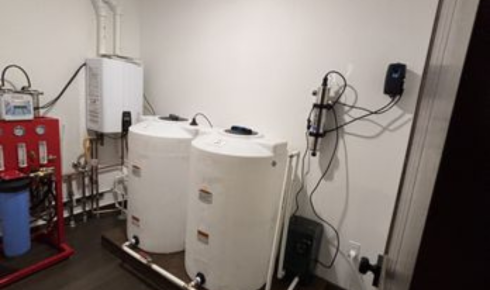
Today’s systems are generally far more efficient, compact, and user-friendly. Many operate quietly in the background with minimal attention beyond routine maintenance or filter replacements.
Some systems even monitor usage automatically and alert homeowners when servicing is needed.
That simplicity matters because most people don’t want to become water experts. They simply want reliable water without ongoing frustration or complicated maintenance routines.
And honestly, good water should feel effortless.
The Best Home Improvements Are Often Invisible
Not every home upgrade needs to be flashy.
Some improvements quietly make life easier day after day without drawing attention to themselves. Better water falls firmly into that category.
Nobody walks into a house and compliments the filtration setup directly. But they might notice how good the coffee tastes. How clean the glassware looks. How soft the towels feel.
More importantly, the people living there notice it constantly.
And maybe that’s why homeowners who improve their water quality often end up saying the same thing afterward: they wish they’d done it sooner.
Because once clean, reliable water becomes part of everyday life, the small frustrations it replaced suddenly feel impossible to ignore in hindsight.