A home changes along with the people who live in it. The spare room that once collected boxes might become a home office, the backyard may turn into the family’s favorite place to gather, and a kitchen that worked perfectly ten years ago might now feel cramped every evening. These changes don’t necessarily mean a house needs a complete makeover. Often, a few carefully chosen improvements can make everyday life easier and help the property feel like home again.
The challenge is deciding which projects deserve attention first. Some improvements are mostly about appearance, while others address comfort, safety, or the way a space is used. When homeowners understand their priorities, they can make better decisions, avoid unnecessary spending, and create a property that works for their lives today.
Make Outdoor Spaces Worth Spending Time In
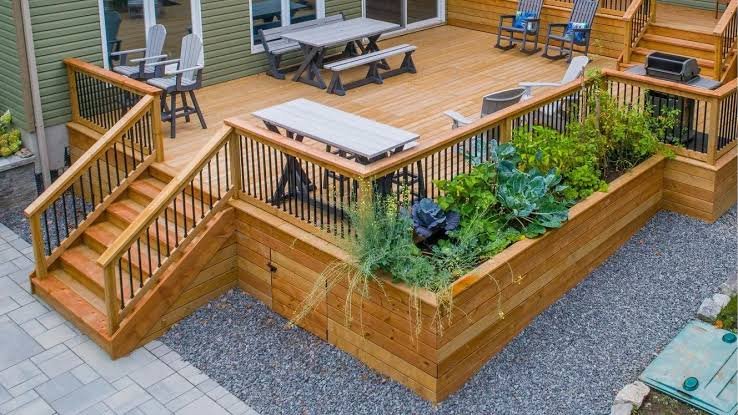
Outdoor areas are sometimes treated as an afterthought, especially when indoor repairs have taken priority. Yet a well-designed backyard, patio, or raised platform can provide useful living space without changing the home’s interior footprint. It might become a quiet place to read in the morning, somewhere for children to play, or the natural gathering spot when friends visit.
Well-planned decks can extend the living area outdoors and create a comfortable transition between the house and the yard. Before choosing a design, think about how the space will be used. A dining area needs enough room for chairs to move comfortably, while a lounging area may benefit from built-in seating or shade.
Materials matter, too. Wood can offer a warm, traditional appearance, but it generally requires regular cleaning, sealing, or staining depending on the product and local conditions. Composite decking may reduce some maintenance tasks, though it still needs care and can become warm in direct sunlight. Compare durability, appearance, installation costs, and upkeep rather than choosing based on looks alone.
Safety should remain part of the plan. Railings, stairs, foundations, and connections need to be appropriate for the structure and local building requirements. If an existing deck feels unstable, has visibly damaged boards, or shows signs of rot, have the problem assessed before adding furniture or inviting guests to use it.
Create a Welcoming Entrance
The entrance to a home affects how the entire property feels. A porch can provide shelter while someone looks for their keys, a place to leave muddy shoes, or a comfortable spot to sit and chat with a neighbor. Even a modest entrance can feel more inviting when it is clean, well-lit, and thoughtfully arranged.
Well-designed fences and porches can also improve privacy, define outdoor areas, and create a sense of connection between the house and its surroundings. A fence might separate a play area from a driveway, provide a boundary for pets, or screen a patio from nearby homes. A porch can add character while making the entrance more practical.
The design should suit both the property and the local environment. A tall privacy fence may be useful in one setting, while a lower decorative fence may be enough in another. Check local restrictions, property boundaries, and any homeowners’ association requirements before construction begins. It’s far easier to resolve a boundary question before posts are installed than after the work is finished.
Porches also need proper drainage and durable materials. Water should not collect against the house, and steps should feel stable underfoot. Good lighting helps people use the entrance safely after dark, while a few weather-resistant plants or a simple bench can soften the appearance without making maintenance complicated.
Decide Whether a Major Renovation Is Necessary
Sometimes, smaller updates simply aren’t enough. A home may have an awkward layout, insufficient storage, aging systems, or rooms that no longer meet the household’s needs. In these cases, full-scale remodeling may provide a more practical long-term solution than repeatedly patching individual problems.
A larger project might involve changing the layout, updating several rooms, improving insulation, or modernizing kitchens and bathrooms together. Coordinating related work can make sense because contractors may be able to plan electrical, plumbing, flooring, and finishing tasks as part of one overall schedule. However, a bigger renovation also brings more decisions, higher costs, and greater disruption.
Start by identifying the problems that need to be solved. If the kitchen is difficult to work in because of poor storage and a narrow walkway, a new countertop alone may not help much. If several rooms suffer from poor lighting, the solution could involve both fixture placement and changes to the layout.
Before committing, ask a qualified professional to assess the building and discuss what is feasible. Structural walls, plumbing routes, ventilation, and electrical capacity can all influence the design. Depending on the work and location, permits or inspections may be required. Allow time for these steps instead of assuming construction can begin immediately.
It’s also important to plan for the practical side of living through a renovation. If the kitchen will be unavailable, arrange a temporary cooking area. If work affects the main bathroom, consider what alternatives are available. These details may not appear in the finished photographs, but they can make the process considerably less stressful.
Pay Attention to Storage and Cabinet Design
Storage is one of those things people rarely notice when it works well. When it doesn’t, the signs appear everywhere: crowded countertops, overflowing drawers, and items that never seem to have a proper place. Improving storage can make a room feel calmer without requiring additional square footage.
Thoughtful cabinetry can help make better use of available space. In a kitchen, deep drawers may be easier to access than low shelves, while pull-out organizers can make awkward corners more useful. In bathrooms, drawers beneath the vanity can keep everyday products close at hand without leaving them scattered around the sink.
The best cabinet layout depends on what needs to be stored. Take an inventory before ordering anything. Measure appliances, cookware, cleaning supplies, towels, or other items that will occupy the space. This helps avoid the common mistake of choosing cabinets that look attractive but don’t fit the household’s actual needs.
Material and finish choices should reflect the room’s conditions. Kitchens and bathrooms are exposed to moisture, heat, and frequent cleaning, so surfaces and hardware should be suitable for those demands. Soft-close hinges and sturdy drawer slides may cost more initially, but quality hardware can improve everyday use and reduce the need for early replacements.
Keep the Budget Realistic
Home projects become easier to manage when the budget is clear from the beginning. List the essential work, the optional upgrades, and the expenses that are easy to overlook, such as delivery, waste removal, permits, finishing materials, and temporary living arrangements.
Get written estimates that describe the scope of work rather than relying on a single total. Ask what happens if hidden damage is discovered or materials become unavailable. It’s wise to reserve money for unexpected costs, especially when working on older structures.
If several projects are competing for attention, prioritize safety and protection first. Repair unstable structures, address water intrusion, and resolve electrical or structural concerns before spending heavily on decorative features. A fresh finish is worthwhile, but not if the underlying problem remains.
Choose Improvements That Fit Your Life
There’s no universal formula for improving a home. One household may value a spacious outdoor entertaining area, while another needs better storage or a more practical floor plan. The right project is the one that responds to real needs and can be maintained comfortably over time.
Take the time to plan, compare materials, and ask questions before work begins. Not every improvement needs to happen in one season, and there’s nothing wrong with completing a project in stages. With sensible decisions and attention to quality, a home can become more functional, welcoming, and enjoyable without losing the character that made it special in the first place.