Every day, people make dozens of choices that affect the environment. Some are obvious, like using less plastic or carrying reusable bags, while others happen quietly in the background. One of those often-overlooked choices is how we handle the things we no longer need.
Waste is a natural part of life. Homes, businesses, and communities will always create unwanted materials. The real difference comes from what happens next. Instead of viewing everything as useless trash, we can rethink how materials are managed, reused, and redirected toward better purposes.
A smarter approach to waste management does not require perfection. It requires awareness, better systems, and small improvements that become long-term habits. When individuals and organizations make responsible choices, the combined impact can be surprisingly powerful.
Understanding the Value of Responsible Waste Management
For many years, waste disposal focused mainly on removing items as quickly as possible. However, modern thinking has changed. Today, more people recognize that many discarded items still have value and can serve another purpose.
Reducing unnecessary waste helps conserve resources and lowers the environmental pressure caused by growing consumption. Instead of constantly producing new materials, communities can make better use of what already exists.
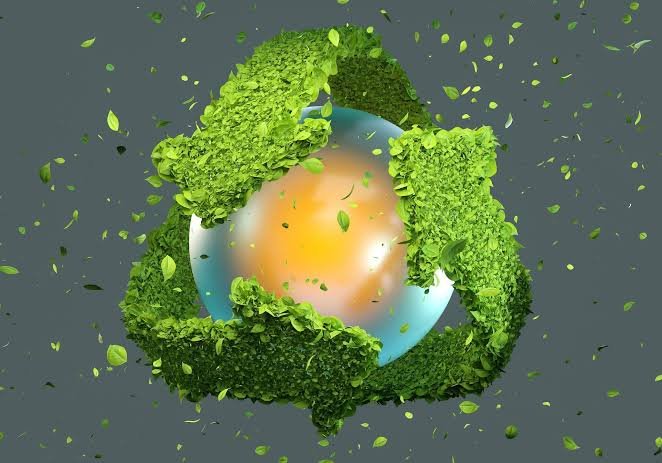
This shift begins with understanding what can be saved from disposal. Everyday items such as paper, cardboard, glass, metals, and certain plastics can often be processed and reused.
By separating recyclable materials from regular waste, households and businesses create opportunities for these resources to return to the production cycle. It is a simple step, but it plays an important role in reducing landfill growth and protecting natural resources.
The Importance of Changing How We Think About Waste
One of the biggest challenges in waste management is changing old habits. Many people are used to throwing everything into a single container because it feels faster and easier.
However, convenience today can create environmental challenges tomorrow. When reusable materials are mixed with general waste, they become harder to recover and may end up permanently lost.
A more thoughtful approach encourages people to pause before throwing something away. Could the item be repaired? Could someone else use it? Could it be recycled?
These small questions help create a culture where waste is seen differently. Instead of focusing only on disposal, the focus shifts toward responsibility and resource conservation.
How Waste Diversion Creates Better Outcomes
Waste diversion is one of the most effective ways to reduce the amount of material sent to landfills. It involves finding alternative paths for waste through recycling, composting, reuse, or recovery programs.
The goal is simple: keep useful materials in circulation for as long as possible.
Effective waste diversion programs benefit both the environment and communities. They reduce landfill dependence, support recycling industries, and encourage more sustainable consumption patterns.
For businesses, waste diversion can also improve operational efficiency. Companies that analyze their waste streams often discover opportunities to reduce costs, reuse materials, and create more organized workplaces.
Even small businesses can make a difference by separating recyclable items, reducing unnecessary packaging, and working with responsible waste partners.
The Role of Sustainable Practices in Everyday Life
Sustainability is not only the responsibility of large organizations or governments. Individual actions matter too. The choices made inside homes, offices, and local communities all contribute to broader environmental results.
Simple habits like buying durable products, avoiding unnecessary waste, and properly sorting materials can become part of everyday life.
For businesses, adopting environmentally responsible practices can also strengthen their reputation. Customers increasingly appreciate companies that take meaningful steps toward protecting the planet.
Professional sustainable services help make these efforts easier by providing organized solutions for responsible waste handling. These services support recycling efforts, improve disposal practices, and help organizations move toward greener operations without unnecessary complications.
Why Businesses Should Prioritize Better Waste Solutions
Businesses produce different types of waste depending on their industry. Offices may generate large amounts of paper, while restaurants deal with food-related materials and packaging. Construction companies often handle large volumes of debris.
Without proper planning, this waste can become expensive and difficult to manage.
A well-designed waste strategy allows businesses to identify what can be reduced, reused, or recycled. It also creates cleaner work environments and demonstrates a commitment to environmental responsibility.
Employees often respond positively when companies introduce sustainability initiatives. Simple programs, such as recycling stations or reduced paper usage, can encourage everyone to participate.
Building Stronger Communities Through Responsible Choices
Communities become cleaner when people work together. Recycling programs, educational efforts, and responsible waste practices create a shared sense of responsibility.
Schools, neighborhoods, and local organizations can play an important role by teaching better waste habits from an early age. When people understand the reasons behind recycling and conservation, they are more likely to participate.
Environmental progress does not happen through one single action. It comes from thousands of small decisions made consistently.
Looking Ahead to a Cleaner Future
The way we manage waste today will influence the world we leave behind. Better waste practices protect resources, reduce pollution, and create healthier environments for future generations.
The journey toward sustainability is not about making every decision perfectly. It is about making better choices whenever possible.
By recognizing the value of materials, supporting responsible programs, and adopting smarter habits, everyone can contribute to a cleaner future.
Waste may always be part of life, but unnecessary waste does not have to be. With thoughtful planning and responsible action, communities can move toward a future where resources are respected, materials are reused, and sustainability becomes a natural part of everyday living.