My aunt Lakshmi has a rule about moving in Chennai: never let the truck arrive after the sun does. She earned it the hard way, shifting from Mylapore to Perungudi one April afternoon, with a steel almirah stuck in a stairwell, four sweating helpers, and the kind of humidity that makes your shirt feel like a personal enemy. By two o’clock everyone was sitting on the curb, and the almirah was still on the second landing, undecided.
She’s right, of course. Chennai is warm, wet, busy and a little unpredictable, and moving here asks for more planning than most people give it. I’ve done two moves in this city and helped on a few more, so here’s what I’d tell you over a tumbler of filter coffee.
Weather first, then everything else
Most people pick a date and only later remember that Chennai has opinions about the weather. April to June is hot enough to drain a loading crew by late morning. October to December brings the northeast monsoon, and anyone who’s watched a street turn into a river overnight knows how quickly a move can stall. If you’ve got flexibility, January to March is the kindest stretch. Roads are dry, the air is bearable, and movers aren’t stretched quite as thin.
Whatever month you land on, start early. Seven or eight in the morning gives you a head start on OMR, GST Road and Anna Salai, all of which turn stubborn by mid-morning. And call your apartment association before you commit to anything. Some Chennai complexes allow the goods lift only in a fixed window, some want a deposit, and a few ask for written notice days in advance. Better to learn that now than at the gate with a truck idling and a driver glaring.
Choosing who carries your life
Search for Packers and Movers in Chennai and you’ll get a flood of results, all with the same banners, the same “lowest price” promises, the same photos of cheerful men holding boxes. None of that tells you who’ll actually show up at your door and treat your things with care.
So slow down. Ask each company for a survey, in person if possible, or a long video call where you walk through every room. Open the cupboards. Show the balcony storage, the heavy almirah, the washing machine, the pooja shelf. A quote given without seeing any of that is basically a guess, and guesses have a way of growing into surprise charges later.
Then collect three quotes and read them closely. Look at what’s inside: packing material, loading, unloading, stair carry, dismantling and reassembly, transit insurance. A suspiciously low figure usually means something’s been left off the list, and you’ll find out when the bill arrives.
Reviews and the people you trust
Online reviews help, but read them with a raised eyebrow. Gushing paragraphs with no detail don’t say much. A review that mentions the crew showing up forty minutes late but wrapping everything carefully and charging exactly what was quoted? That one feels real, and honestly it’s more reassuring than a wall of perfect scores.
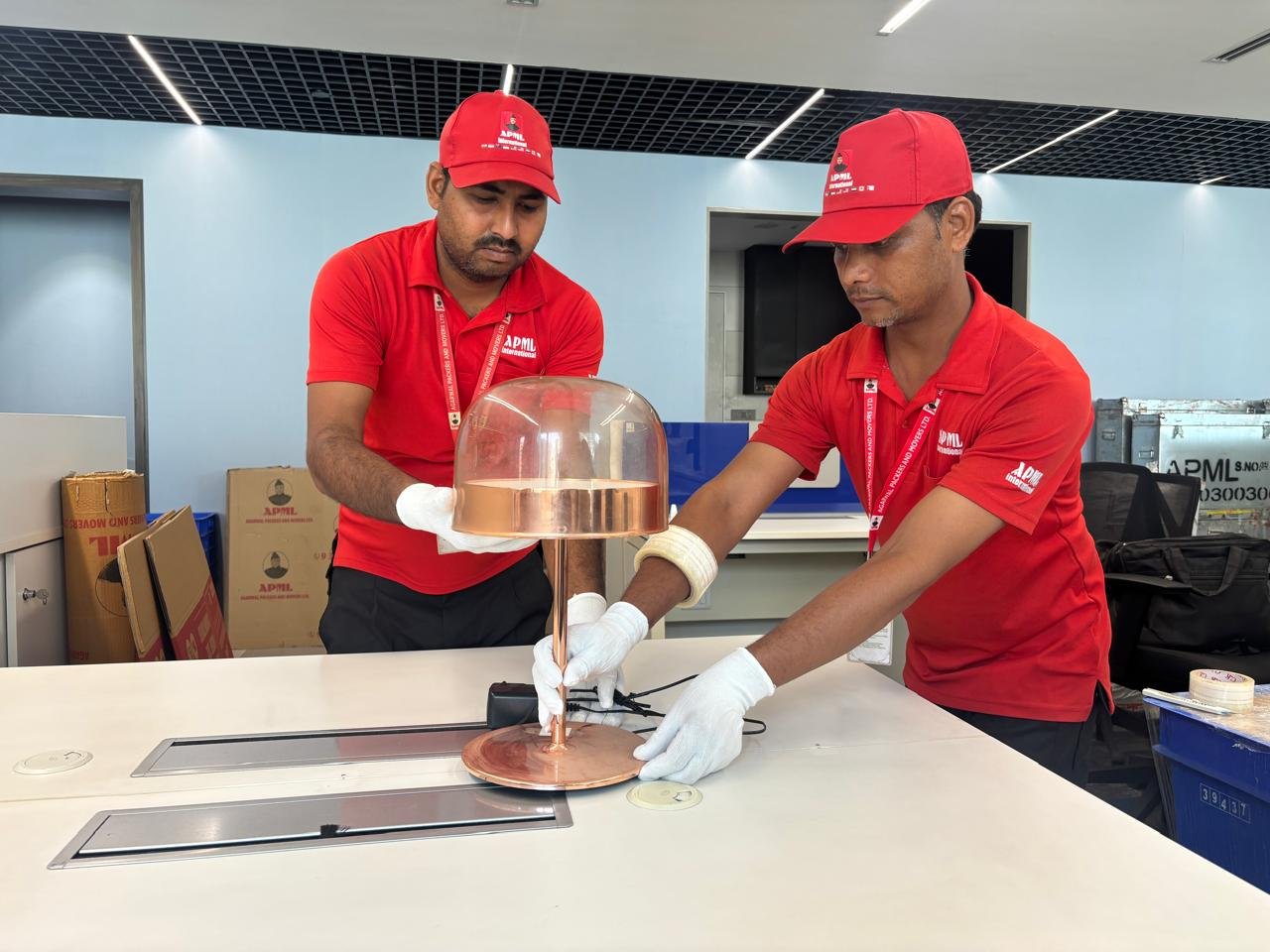
Better still is someone you know telling you their story. A friend of mine once described how Agarwal Packers and Movers Chennai moved her parents from Adyar to Anna Nagar, and what stuck with me wasn’t any grand claim. It was that her mother’s old brass lamps arrived without a scratch, which in that household is practically a miracle. That’s the kind of small, specific detail worth listening for. Still, treat any single story as a starting point. Call them, ask for the survey, read the terms, and notice how they respond to awkward questions. How people answer before you’ve paid says a lot about how they’ll behave after.
What goes in the box, what stays with you
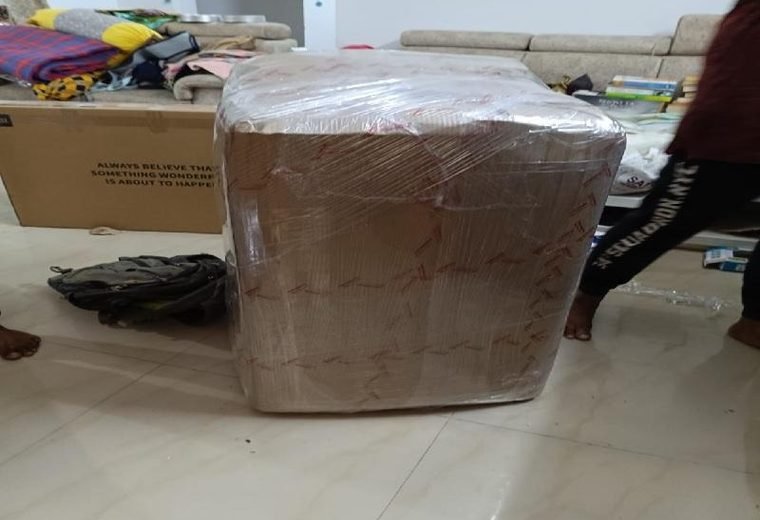
Let the professionals handle the heavy, fragile, awkward stuff. They have the foam, corrugated sheets and corner guards, and they can wrap a glass-top table without breaking a sweat. TVs, mirrors, crockery, the wet grinder you’ll never replace.
But keep the irreplaceable things close. Documents, laptops, chargers, jewelry, medicines, a little cash, the kids’ school files. Put them in a bag that rides with you. My friend Karthik once spent three hours on moving night tearing open cartons to find his property papers, which had somehow ended up inside one marked “kitchen towels.” Please don’t be Karthik.
Take photos of your furniture and electronics before anything is wrapped. It takes five minutes, and if something shows up dented, you’ll have a clean before-and-after instead of a he-said-she-said argument on the pavement.
Carry less, pay less
Here’s something people notice a bit late: you’re effectively paying for volume. So before the survey, go through your belongings with a colder heart than usual. Clothes you haven’t worn since 2020, cables for gadgets that no longer exist, three mixer jars that fit nothing, the plastic chair with a suspicious crack. Donate, sell or toss.
It’s oddly freeing. Arriving at a new flat with less stuff feels like opening a fresh notebook.
Moving day, and the hush after
Be there. I know it’s tempting to leave it all to the crew, but someone has to say which box belongs in which room, confirm the inventory and answer the dozen small questions that always pop up. Keep water and buttermilk around, because nobody works well dehydrated in this city. Tip fairly if the team has earned it. Then do a last lap of the old place: every shelf, every cupboard, the space above the loft, behind every door. Somebody always forgets something. I once left a whole row of steel dabbas in a kitchen cabinet. I like to imagine they’re thriving.
Then comes the part nobody warns you about. The truck leaves, the new rooms fill with unfamiliar cartons, and you feel oddly hollow. Tired, relieved, a little sad. That’s normal. Don’t try to unpack everything tonight. Make the bed, find the kettle, order something warm. The rest will still be there tomorrow.
Moving is never perfectly smooth, and I won’t pretend otherwise. Something will run late, something will end up in the wrong room, and a neighbor will definitely grumble about the lift. But with some planning, honest questions and a crew that actually listens, it becomes something you get through rather than something that gets through you.
My aunt, by the way, still tells the almirah story at every family function. The almirah, she says, has finally forgiven her.