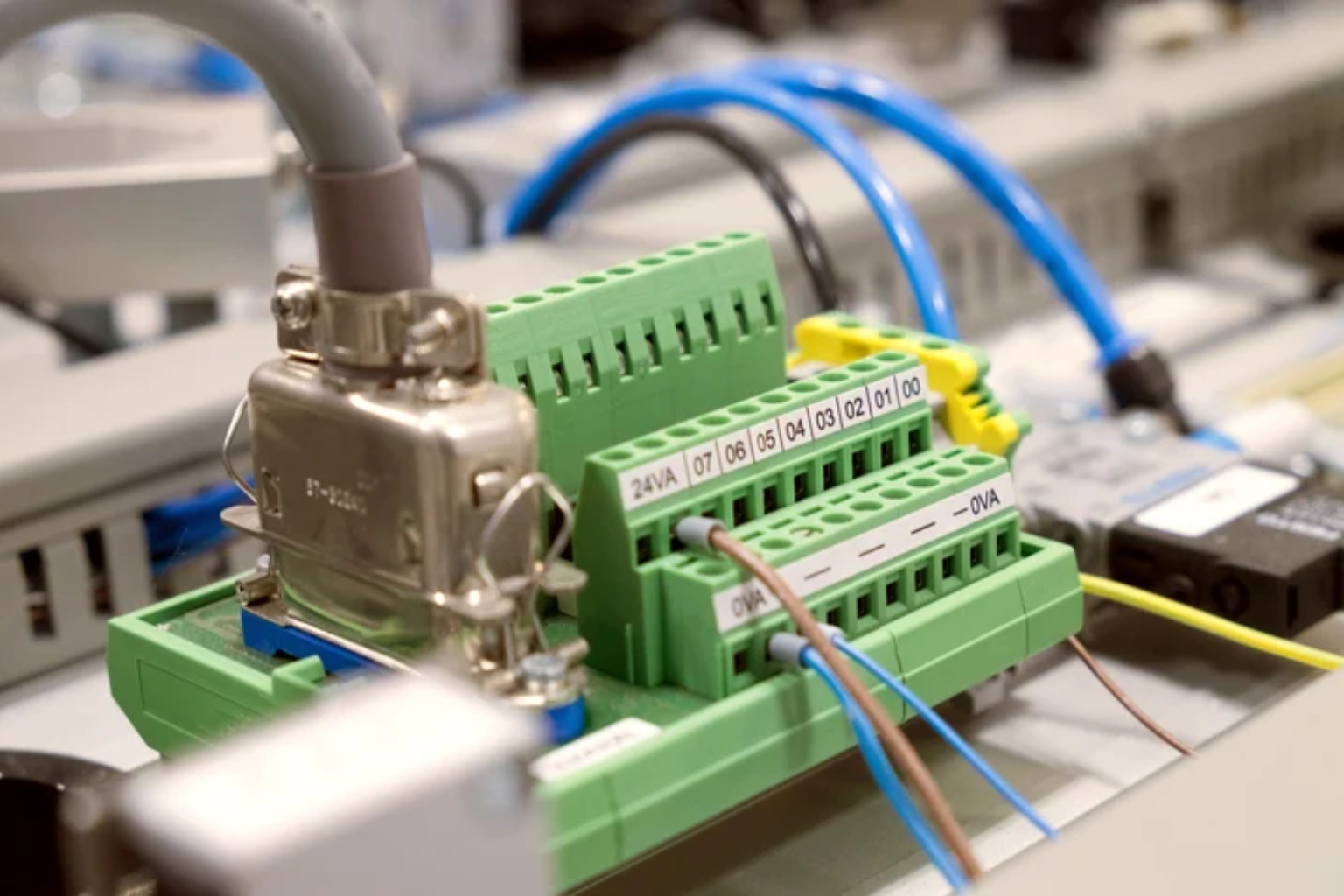
Industrial connectors play a critical role in automation systems, manufacturing infrastructure, transportation equipment, and heavy electrical networks. Despite being relatively small components, they directly influence operational reliability, communication accuracy, and long-term equipment performance.
As industrial automation continues to expand, engineers are increasingly looking for connector systems capable of handling harsh environments, high-duty cycles, and complex electrical architectures.
Companies such as Allied Connectors support these evolving industrial requirements through connector solutions engineered for durability, signal stability, and long-term performance.
- What Are Industrial Connectors Used For
Industrial connectors are used to safely transmit electrical power, communication signals, and sensor data between different systems and equipment.
They are commonly installed in robotics, factory automation systems, industrial control panels, railway infrastructure, power distribution systems, and heavy machinery.
Reliable industrial connectors help maintain uninterrupted operations while simplifying installation and maintenance processes.
- Why Are Circular Connectors So Common in Industrial Systems
Circular connectors are widely used because they provide strong mechanical durability, compact design, and excellent environmental protection.
Their cylindrical geometry supports high pin density while distributing physical stress evenly across the housing. This makes them highly resistant to vibration and repeated connection cycles.
Circular connectors are particularly effective in automated machinery, transportation systems, and sensor-driven industrial equipment.
- What Is the Difference Between Power and Signal Connectors
Power connectors are designed primarily for transmitting electrical current, while signal connectors focus on transferring communication data and sensor information.
Modern power and signal connectors combine both functions within one integrated interface. These systems use internal shielding and specialized layouts to isolate electrical loads and prevent electromagnetic interference.
This integration helps maintain stable sensor connection performance in complex automation environments.
- When Should Ruggedized Connectors Be Used
Ruggedized connectors should be used whenever equipment operates in harsh industrial conditions involving moisture, vibration, dust, chemicals, or temperature variation.
These connectors feature reinforced housings, sealing systems, and secure locking mechanisms that protect internal contacts from environmental damage.
Industries such as mining, heavy manufacturing, transportation, and renewable energy frequently rely on ruggedized connectors for long-term operational stability.
- How Do Engineers Select the Correct Connector Type
Connector selection depends on several factors including voltage requirements, environmental exposure, signal sensitivity, mating frequency, and available installation space.
Engineers must also consider compatibility with existing industrial connectors and automation systems.
Using the wrong connector can result in communication instability, overheating, signal loss, and increased maintenance costs.
- Why Is Connector Quality Important for Automation Systems
Low-quality connectors often degrade quickly under continuous industrial stress. Corrosion, loose contacts, and unstable signal transmission can disrupt automated systems and increase downtime.
High-quality industrial connectors help improve factory electrical reliability and support long-term automation performance.
Allied Connectors provides connector solutions engineered to maintain stable electrical performance even in demanding operating conditions.
- What Role Do Connectors Play in Preventing Downtime
Connector systems directly influence equipment uptime. Poor electrical contact or unstable communication pathways can stop entire production lines unexpectedly.
Reliable power and signal connectors help reduce downtime manufacturing facilities experience by maintaining continuous communication between machinery, sensors, and control systems.
Proactive connector maintenance also helps identify wear before serious operational failures occur.
Why Industrial Connector Selection Matters More Than Ever
As manufacturing systems become more connected and data-driven, industrial connectors are becoming increasingly important to operational success.
Selecting durable, high-performance connector systems helps facilities improve safety, support automation growth, and maintain long-term production efficiency.
Working with experienced manufacturers such as Allied Connectors allows engineers to implement connector infrastructure designed for modern industrial demands.